Quick Verdict
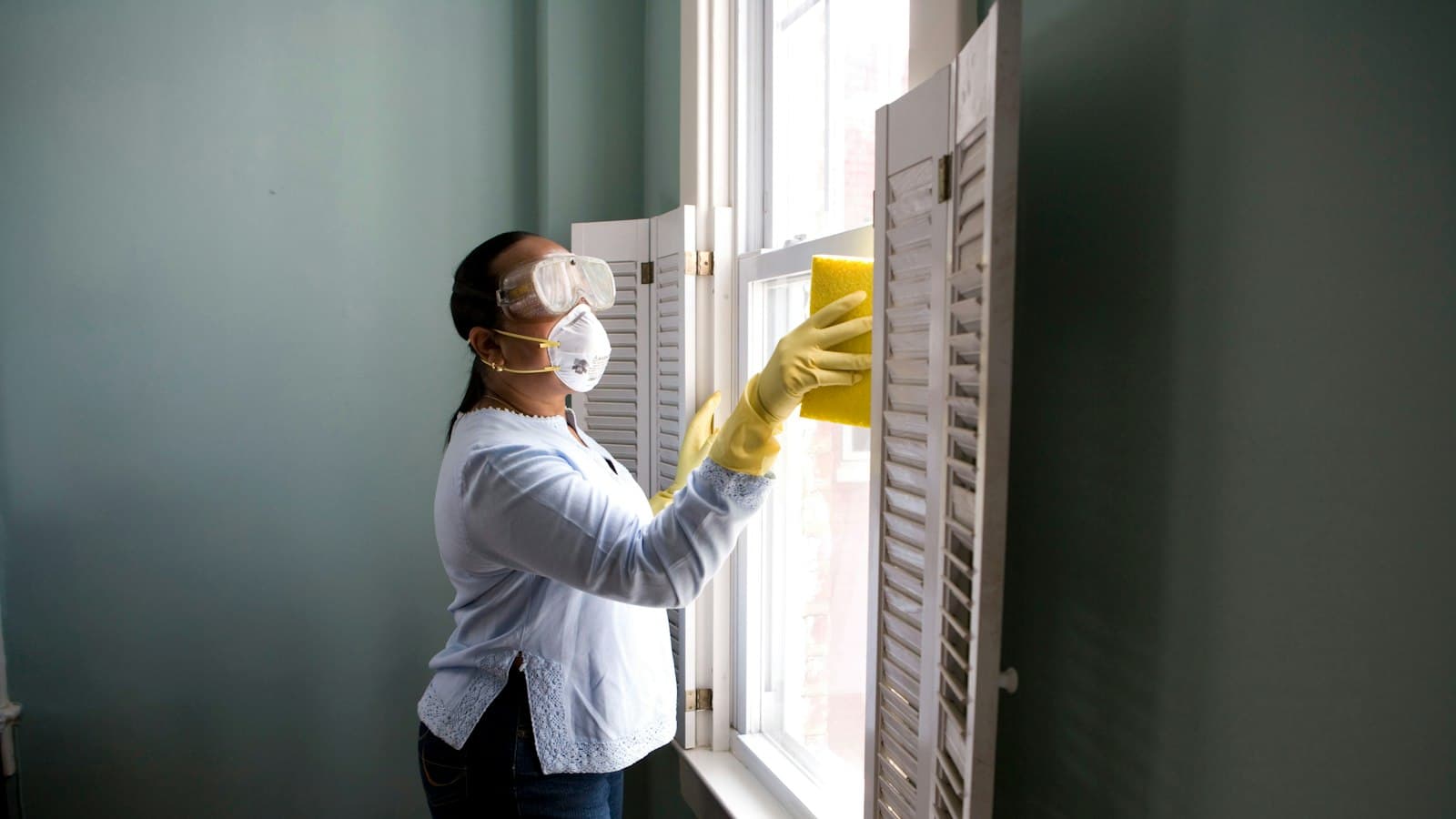
A hoarding cleanup is not the same as a large junk removal job. It is a specialized cleanout that addresses biohazard risks, structural concerns, and the emotional reality of the person who lives in the home. The crew wears PPE, the pace is slower, items are sorted rather than dumped, and the work is measured against a five-level clutter scale used by professional organizers and mental health clinicians.
If you are reading this about a parent, sibling, tenant, or friend, know this first: you are not stepping into a problem that makes someone a bad person. Hoarding is a recognized condition, and the cleanup is one small part of a longer process. Speed and force are not the goal. Dignity, safety, and a home that is livable afterwards are.
What Hoarding Cleanup Actually Is
At its core, a hoarding cleanup is the process of clearing a home where possessions have accumulated to the point where rooms are not usable for their intended purpose. Stoves are buried, beds are covered, walkways are narrow paths.
But the cleanup itself is only the visible part. A proper hoarding cleanup also addresses:
- Biological contamination from food waste, animal waste, or pest infestation
- Structural damage from weight, water, or pests
- Salvage of important documents, photographs, and heirlooms
- Emotional support for the person whose home is being cleared
Compare this to a standard cleanout, which is usually a crew loading clearly-discarded items into a truck. See hoarding cleanup vs standard junk removal for a deeper side-by-side.
The Five Clutter Levels
The Institute for Challenging Disorganization uses a 1 to 5 scale that most professional hoarding cleanup teams reference. Understanding the level helps set realistic expectations.
Level 1 -- Home appears mostly normal. All doors and stairs accessible. Minor clutter, no odors, no pests. Standard deep clean is usually enough.
Level 2 -- One exit blocked. Some light pet odor. Mildew in kitchen or bathroom. Clutter on floors in one to two rooms. Deep clean plus moderate junk removal.
Level 3 -- Visible clutter outside the home (yard, porch). One bathroom or bedroom unusable. Some structural damage or pest evidence. Strong odor. Requires a cleanup team, not a single hauler.
Level 4 -- Structural damage apparent. Mold, human or animal waste present. Kitchen or bathroom not usable. Rotting food. PPE required for the crew. Biohazard disposal protocols apply.
Level 5 -- Extreme structural damage, no running water or electricity, standing human or animal waste, rodent infestation, possibly unsafe to enter. Requires licensed biohazard team, possibly coordinated with public health or a social worker. The occupant almost always needs alternative housing during the cleanup.
The level determines the crew, the time, the PPE, and the cost.
Who Is on the Team
A Level 1 or 2 situation can be handled by a careful general cleanout crew. From Level 3 upward, the team expands:
- Lead technician for hoarding-specific sorting and salvage
- Biohazard-certified technicians for any Level 4 or 5 work
- Licensed disposal vehicle for regulated waste
- Optional: professional organizer who works alongside the resident
- Optional: mental health professional or social worker coordinating with the resident
- Optional: pest control before or after physical clearing
A good team communicates with the resident or family throughout the day and pauses when sorting reveals something meaningful. They do not throw everything in the truck on reflex. For more on why this team matters, see why hoarding cleanup is different.
Typical Timeline
| Clutter Level | Typical Days On-Site |
|---|---|
| Level 1 | 1 day |
| Level 2 | 1 to 2 days |
| Level 3 | 2 to 4 days |
| Level 4 | 4 to 7 days |
| Level 5 | 7 to 14+ days, often staged |
Weather, access, presence of the resident, and volume of salvageable items all extend timelines. Rushing the schedule almost always costs more in the end because valuables are lost and items are sent to the dump that should have been donated or returned to family.
Pricing Expectations
Industry Baseline Range
| What is being priced | Published national range |
|---|---|
| Hoarding cleanup, total | $1,000 to $4,000 |
| Hoarding cleanup, per square foot | $1 to $2 per sq ft |
Source: HomeGuide, "Hoarding Cleanup Cost" national cost guide.
These are industry baseline ranges for planning only and may not reflect Otesse's price. Otesse pricing is calculated for your specific home and ZIP code, so enter your ZIP in the price box on this page for your instant price.
Current Market Reality
Hoarding cleanups rarely come in at the low end of these ranges. Biohazard protocols, PPE, specialized disposal, and extended labor hours stack quickly. Insurance sometimes covers portions (especially after a death or medical event that triggered the condition), but families pay out of pocket more often than not.
| Pushes the price up | Pulls it down |
|---|---|
| Higher clutter levels | Lower clutter levels |
| Biohazards that need protective protocols | No biohazards present |
| Structural repair or odor treatment | Contents removal only |
| A larger home | A single room or smaller space |
Every home is different, so the real number depends on size, condition, and what you want covered. Enter your ZIP in the price box on this page for your instant price.
Who to Call
Not every junk removal company does hoarding work, and not every biohazard company does sensitive cleanouts. Look for a team that explicitly advertises hoarding services, references the clutter levels, and is willing to do a free in-home assessment before quoting. For vetting guidance, see who to call for hoarding cleanup and the complete hoarding cleanup guide.
Frequently Asked Questions
Does the person living in the home have to agree to the cleanup? Yes, unless a court or adult protective services has intervened. Forcing a cleanup against someone's will damages both the home and the relationship, and in most cases is not legal.
Is hoarding covered by homeowners insurance? Usually no for the cleanup itself, but related damage (water, mold, pest) may be covered. Review the policy with the carrier before starting.
Will the crew judge the person or family? A reputable hoarding cleanup team does not. They have seen far worse and they understand this is a condition, not a character flaw.
How do I start without making it worse? Start with a conversation, not a cleanup. Once there is consent, an in-home assessment determines the level and the plan. Contact a specialist for a no-pressure walk-through.
Before You Call
If you are reading this for a family member, the cleanup is important but it is not the whole story. A home cleared today will fill up again if the underlying condition is not addressed. Pair the physical work with ongoing support -- a therapist who specializes in hoarding, a professional organizer for follow-up visits, or a family routine that keeps small accumulations from returning. The cleanup crew can do the physical part. The rest is a longer conversation, and it is worth having.