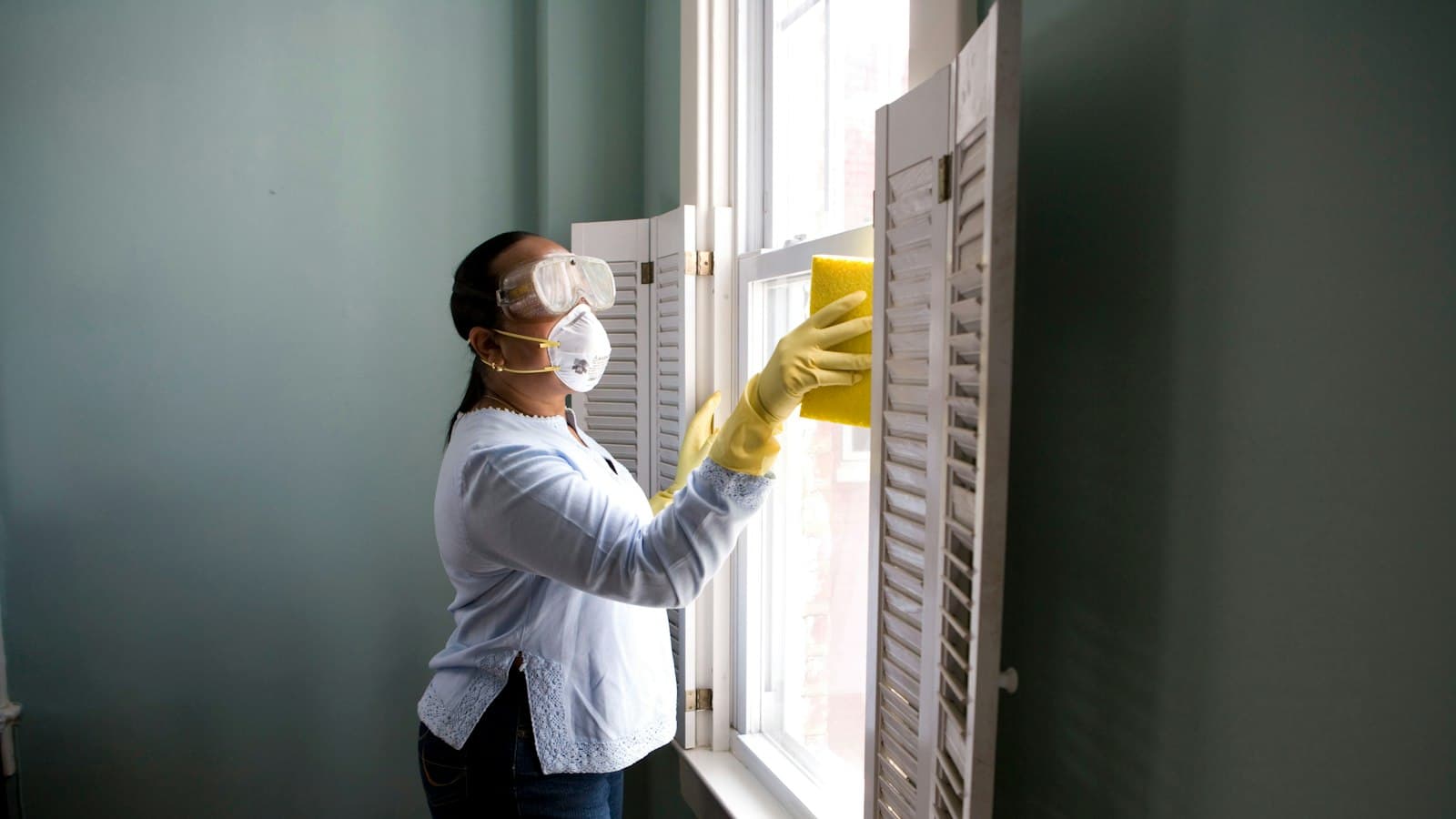
Key Takeaways
- Deep cleaning targets hidden grime -- behind appliances, inside cabinets, on baseboards, and in corners that regular cleaning skips.
- It typically takes 4 to 8 hours depending on home size and condition, compared to 2 to 3 hours for a standard clean.
- Most homes need a deep clean 2 to 4 times per year, with many Oregon homeowners scheduling one in spring and fall.
- Expect a national baseline of $230 to $600 for a professional deep cleaning of an average-sized house.
- Deep cleaning is especially important before moving in or out, after renovations, after illness, or when switching cleaning services.
You have probably seen the term "deep cleaning" on the websites of cleaning services, in real estate listings, and in rental lease agreements. But what does it actually mean? Is it just marketing language for a thorough regular cleaning, or is it a genuinely different service?
The short answer: deep cleaning is a comprehensive, detail-oriented cleaning process that covers areas of your home that are routinely overlooked during standard weekly or biweekly cleanings. Think of it as resetting your home to a baseline of cleanliness -- the kind you notice the moment you walk through the door.
Whether you live in a downtown Portland apartment, a family home in Salem, or a college rental in Corvallis, understanding the difference between deep cleaning and standard cleaning helps you know what to ask for, what to expect, and when you actually need it.
Deep Cleaning vs. Standard Cleaning: What Is the Difference?
Standard cleaning maintains your home on a regular basis. It covers the visible surfaces -- vacuuming floors, wiping countertops, cleaning toilets, and dusting accessible areas. It keeps your home looking presentable and hygienic between deeper sessions.
Deep cleaning goes beneath the surface. It reaches the grime that accumulates over weeks and months in places you do not normally clean or even see. Here is a side-by-side comparison:
| Task | Standard Cleaning | Deep Cleaning |
|---|---|---|
| Dusting surfaces | Yes | Yes, plus ceiling fans, light fixtures, vents, door frames |
| Vacuuming floors | Yes | Yes, plus under furniture, along baseboards, in closets |
| Mopping hard floors | Yes | Yes, plus hand-scrubbing grout and baseboards |
| Bathroom cleaning | Toilets, sinks, mirrors, showers | All standard tasks plus tile grout, behind toilets, exhaust fans, inside cabinets |
| Kitchen cleaning | Countertops, stovetop, sink | All standard tasks plus inside oven, behind refrigerator, inside microwave, cabinet fronts |
| Windows | Not typically included | Interior window cleaning, sills, tracks |
| Baseboards | Rarely | Wiped down throughout the home |
| Light switches and door handles | Sometimes | Sanitized throughout |
The simplest way to think about it: standard cleaning keeps things tidy, deep cleaning makes them truly clean.
What Does a Deep Cleaning Usually Cover Room by Room?
Kitchen
The kitchen usually takes the longest during a deep clean because grease and food residue build up in hidden spots. A thorough kitchen deep clean includes:
- Cleaning inside the oven, including racks
- Degreasing the stovetop, burner grates, and range hood or microwave vent
- Cleaning inside the microwave
- Wiping down the exterior and interior of the refrigerator (emptying shelves if agreed upon)
- Cleaning inside and on top of cabinets
- Scrubbing the sink and faucet, including the drain area
- Degreasing backsplash tiles
- Wiping down all small appliance exteriors
- Cleaning light fixtures and under-cabinet lighting
Bathrooms
Bathrooms in Oregon homes face extra challenges from the region's persistent moisture. Deep cleaning a bathroom means:
- Scrubbing tile grout on floors and in showers
- Removing soap scum and hard water deposits from glass doors and fixtures
- Cleaning behind and around the toilet base
- Scrubbing the bathtub or shower walls and floor
- Cleaning bathroom exhaust fan covers
- Wiping inside medicine cabinets and vanity drawers
- Sanitizing door handles, towel bars, and light switches
- Treating mold or mildew spots (common in Willamette Valley bathrooms due to humidity)
Bedrooms
- Dusting ceiling fans, light fixtures, and air vents
- Vacuuming under beds and furniture
- Cleaning closet shelves, rods, and floors
- Wiping baseboards and door frames
- Cleaning window sills and tracks
- Dusting or wiping headboards, nightstands, and dressers (including behind them)
Living Areas
- Moving furniture to vacuum or mop beneath it
- Cleaning upholstered furniture (vacuuming cushions, removing pet hair)
- Dusting blinds, curtain rods, and window treatments
- Cleaning interior windows and tracks
- Wiping down all baseboards, door frames, and molding
- Cleaning fireplace surrounds (common in older Portland and Salem homes)
- Sanitizing light switches, remotes, and frequently touched surfaces
When Does Your Home Need a Deep Cleaning?
Not every cleaning appointment needs to be a deep clean. Here are the situations where it makes the most sense:
Seasonal Transitions
Many Oregon homeowners schedule a deep clean in spring after months of rain and closed windows have left homes feeling stuffy. A fall deep clean before the wet season begins is also common, especially in Eugene, Corvallis, and other Willamette Valley cities where dampness invites mold and mildew.
Moving In or Out
Whether you are a renter trying to secure your security deposit or a homeowner preparing for new occupants, a move-in or move-out deep clean is one of the most common requests. The goal is to bring the home to a "like new" state for the next resident.
After Renovations or Construction
Construction dust is persistent and fine. It settles into every surface, vent, and crevice. A post-renovation deep clean removes this dust and makes your home safe and comfortable to live in again.
After Illness
If someone in your household has been sick -- especially with a contagious illness -- a deep clean with sanitizing agents helps reduce the risk of reinfection or spread to other family members.
Switching Cleaning Services
If you are starting with a new cleaning company, an initial deep clean establishes a baseline. After that, regular maintenance cleaning keeps the home in great shape. At Otesse, we recommend starting with a deep clean so that subsequent standard cleanings are faster and more effective.
Before Hosting or Selling
Having guests for the holidays? Listing your home on the market? A deep clean makes a noticeable impression. Real estate agents in Portland and Salem frequently recommend professional deep cleaning before showings because buyers notice details like clean baseboards, spotless appliances, and gleaming fixtures.
How Long Does a Deep Cleaning Take?
The duration depends on the size of your home, its current condition, and how long it has been since the last deep clean. Here are general estimates for Oregon homes:
| Home Size | Estimated Time |
|---|---|
| Studio or 1-bedroom apartment | 2 to 4 hours |
| 2-bedroom home | 3 to 5 hours |
| 3-bedroom home | 4 to 7 hours |
| 4+ bedroom home | 6 to 10 hours |
Homes that have not had a deep clean in over a year, or homes with pets, heavy cooking residue, or moisture issues may take longer. Professional teams of two or more cleaners can complete the work faster.
What Does Deep Cleaning Cost in Oregon?
Here is the published national baseline:
Industry Baseline Range
| What is being priced | Published national range |
|---|---|
| Deep clean, average-sized house | $230 to $600 |
Source: HomeGuide, "Deep Cleaning House Cost" national cost guide.
These are industry baseline ranges for planning only and may not reflect Otesse's price. Otesse pricing is calculated for your specific home and ZIP code, so enter your ZIP in the price box on this page for your instant price.
Current Market Reality
Prices differ between higher-cost and lower-cost markets. Additional factors that affect cost include the number of bathrooms, the presence of pets, and whether specialized tasks like oven cleaning or window washing are included.
| Pushes the price up | Pulls it down |
|---|---|
| More bathrooms | Fewer bathrooms |
| Pets in the home | A pet-free home |
| Specialized tasks like oven cleaning or window washing | A standard deep-clean scope |
| A long gap since the last deep clean | Regular upkeep |
Every home is different, so the real number depends on size, condition, and what you want covered. Enter your ZIP in the price box on this page for your instant price.
Can You Deep Clean Your Home Yourself?
Absolutely. Many people deep clean their own homes, and there is nothing wrong with that approach if you have the time and energy. However, it is worth understanding the trade-offs:
- Time commitment: A full deep clean of a 3-bedroom home can take a single person 8 to 12 hours spread across a weekend.
- Equipment: Professionals bring commercial-grade vacuums, steam cleaners, and specialized products that tackle tough stains and buildup more effectively.
- Thoroughness: Trained cleaners know the spots that homeowners commonly miss -- the top of the refrigerator, the inside of vent covers, the drip pans under burners.
- Physical effort: Deep cleaning involves significant bending, scrubbing, and reaching that can be difficult for some homeowners.
If you choose to do it yourself, work room by room, start from the top (ceiling fans, light fixtures) and work your way down to the floors. This prevents dust and debris from settling on already-cleaned surfaces.
Frequently Asked Questions About Deep Cleaning
How often should I get a deep cleaning?
Most homes benefit from a deep clean every 3 to 6 months. If you have pets, children, allergies, or live in a high-humidity area like the Willamette Valley, every 2 to 3 months may be more appropriate. Between deep cleans, regular standard cleaning maintains the results.
Is deep cleaning worth the cost?
For most homeowners, yes. A deep cleaning targets allergens, bacteria, and buildup that regular cleaning misses. It can extend the life of surfaces like grout, countertops, and appliances. And the feeling of a truly clean home is difficult to replicate with quick surface-level cleaning.
What should I do to prepare for a deep clean?
Clear countertops and surfaces of personal items. Pick up clutter from floors. Communicate any priority areas or concerns with your cleaning team. If you have fragile or valuable items, point them out or move them to a safe spot.
Does deep cleaning include organizing?
Not typically. Deep cleaning focuses on removing dirt, grime, and buildup -- not rearranging or organizing your belongings. Some cleaning services offer organizing as a separate add-on.
Can deep cleaning remove mold?
Surface-level mold in bathrooms and kitchens can usually be removed during a deep clean. However, if mold has penetrated behind walls, under flooring, or into structural materials, you need a mold remediation specialist. This is particularly relevant in Oregon, where persistent moisture makes mold a common household issue.
Thinking About Scheduling a Deep Clean?
Now that you know what deep cleaning actually involves, you can make a more informed decision about whether and when your home needs one. If it has been more than six months since your last deep clean -- or if you have never had one -- it is likely time.
If you are in Portland, Eugene, Salem, Corvallis, or anywhere along Oregon's I-5 corridor, Otesse offers professional deep cleaning services with transparent pricing and background-checked cleaners. You can also request a free quote to see what a deep clean would cost for your specific home.