TL;DR
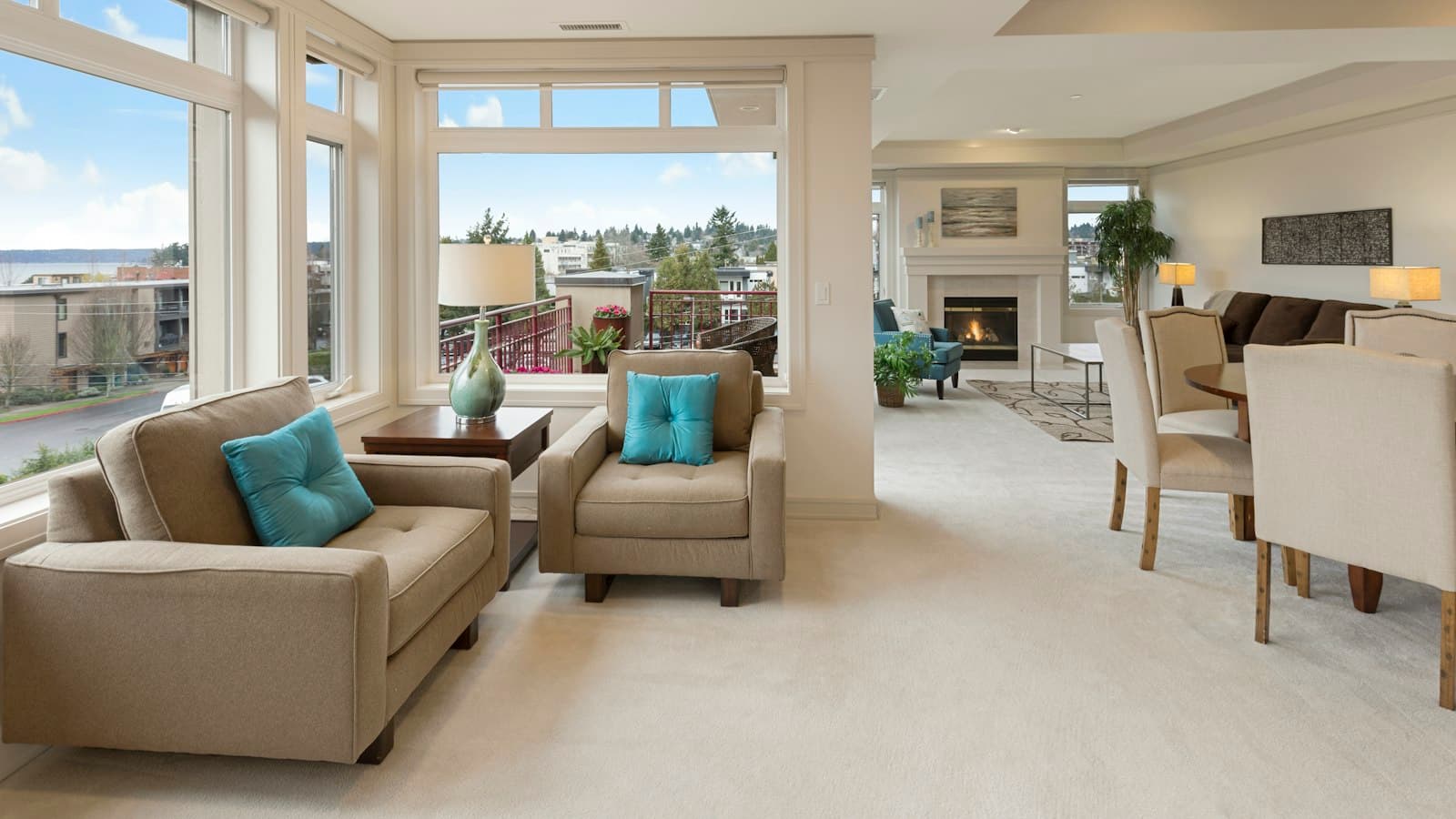
Stage the main living spaces and empty everything else, because buyers need scale cues in the rooms they picture themselves in and open floor in the rooms they judge for size. Full staging is billed monthly and usually costs more than a one-time haul to empty the house.
Completely empty houses are not neutral. They read as cold, they expose every flaw in the floor and wall, and buyers consistently misjudge room dimensions without furniture for reference.
What Buyers Do in an Empty Room
Without furniture, people cannot size a space. An empty twelve-by-fourteen bedroom looks small because there is nothing to compare it to, and buyers routinely assume their own bed will not fit. Add a bed and two nightstands and the same room reads as comfortable.
Empty rooms also concentrate attention on defects. Scuffed baseboards, patched drywall, uneven floor stain, and outlet placement all become the only visible features. Furniture and a rug absorb that attention without hiding anything a buyer is entitled to see.
Sound is the third factor and the one nobody plans for. Bare rooms echo. A house that echoes during a showing feels unfinished even when it is spotless.
None of that means fill the house. It means the main rooms need enough furniture to establish scale and purpose, and the rest can be clear.
What Emptying Completely Looks Like
Emptying means the house is delivered with nothing in it: no furniture, no wall art, no window treatments beyond what conveys, and nothing in the garage, attic, or shed.
It has genuine advantages. Empty houses photograph consistently in bright daylight, they show flaws honestly which reduces inspection surprises, and they allow a buyer with strong design opinions to see the shell rather than someone else outdated taste.
Empty is also the right call for specific property types. Homes being sold for renovation, homes with dated furniture that fights the finishes, and homes where the contents suggest a smoke or pet history all show better with nothing in them. Clearing an inherited home before listing covers the version of this that most sellers face.
The main cost is the haul, and it is usually smaller than people fear once they see it priced by volume rather than imagined by the room. Furniture removal cost breaks it down by piece.
What Staging Looks Like
Staging ranges from occupied staging, where a stager edits and rearranges what you already own, to full vacant staging with rented furniture and accessories delivered for the listing period.
Occupied staging is the cheap and often sufficient version. A stager pulls a third of the furniture out, removes personal photos, opens sight lines, and neutralizes color. It works well when the existing furniture is reasonable and the seller is still living there.
Vacant staging is the expensive version. Rental furniture is priced monthly, so a listing that sits accrues cost, and the inventory has to come back out before closing. It is most defensible in higher price bands where a small percentage improvement in offer covers the fee.
A middle option is partial staging: living room, primary bedroom, and dining area only, with the rest of the house empty and clean. That is where most of the perceived benefit lives.
Empty vs Staged: Side by Side
| Factor | Empty house | Staged house |
|---|---|---|
| Room scale perception | Buyers underestimate | Accurate |
| Photo quality | Consistent but plain | Stronger, more scroll-stopping |
| Flaw visibility | Maximum | Softened but still visible |
| Upfront cost | Haul only | Haul plus staging fee |
| Ongoing cost while listed | None | Monthly rental if vacant staged |
| Showing logistics | Simple, nothing to protect | Furniture must be maintained |
| Best property type | Renovation targets, dated interiors | Move-in ready homes |
| Buyer type served | Investors, remodelers | Retail buyers picturing daily life |
Empty genuinely wins for fixer-uppers, investor-targeted listings, and any home where the existing furniture actively undercuts the finishes. Staging wins for turnkey homes competing against other turnkey homes.
What Each Path Costs
| Scope | Relative cost (lower to higher) |
|---|---|
| Storage unit while listed, per month | Lower, monthly |
| Occupied staging consultation | Lower |
| Partial truck haul, furniture edit | Lower |
| Full truck haul | Middle |
| Partial staging, key rooms, per month | Middle, monthly |
| Whole-house empty-out | Higher |
| Full vacant staging, per month | Highest, monthly |
Current Market Reality
Haul quotes climb when a home has a full garage, attic, or outbuilding that the seller did not count as part of the house. Staging quotes rise with square footage and with the number of rooms treated, and the monthly clock keeps running if the listing does not move quickly. Storage looks cheap monthly and stops being cheap after a few months, which is worth comparing against hauling versus a storage unit.
Who Each Option Fits
Empty completely if the home is being marketed to renovators or investors, the furniture is dated or damaged, the property is vacant already, or the seller has moved out of the area and cannot maintain a staged house.
Stage if the home is move-in ready, competes in a crowded price band, and the main rooms have awkward proportions that furniture can resolve.
Do neither yet if the house is simply full. The largest visual gain in almost every listing is removing a third of what is already there, not adding rented furniture or stripping to bare walls. Edit first, photograph, and only then decide whether the rooms still need help.
The Storage Trap
Sellers often move furniture to a storage unit to empty the house, then discover the unit is still rented eight months later. Storage is a deferral, not a decision, and deferral has a monthly price.
Before renting a unit, ask a plain question about each piece: is this going into the next home, in a specific room, in the next ninety days? If the answer is no, it is not being stored. It is being paid for on the way to being hauled anyway.
FAQ
Do empty houses sell for less than staged ones?
Not automatically, but empty rooms make buyers underestimate size and notice cosmetic flaws more. Homes competing on move-in readiness generally benefit from at least partial staging, while renovation-targeted properties often show fine empty.
Is staging worth the cost?
It depends on price band and competition. In markets with many similar move-in-ready listings, staged homes tend to photograph better and attract more showings. On lower-priced or renovation-focused listings, the fee frequently exceeds the benefit.
What rooms matter most for staging?
The living room, the primary bedroom, and the dining or eating area carry most of the effect, because those are the spaces buyers picture themselves using. Secondary bedrooms, basements, and garages rarely justify staging expense.
Should the garage be emptied before listing?
Yes. Garages are one of the most scrutinized spaces in a showing, and a full garage reads as a small garage. Clearing the floor so a car fits is one of the cheapest perception wins available to a seller.
Can I leave furniture behind for the buyer?
Only with a written agreement in the purchase contract. Otherwise the property is expected to be delivered free of personal property, and items left without agreement can delay closing or create a claim from the buyer.
Clearing What Is Not Staying
Whether the plan is empty rooms or edited ones, someone has to carry the difference out. Otesse junk removal can take it from there. Enter your ZIP in the price box to see which services are available at your address.
Send your room list and your photo date, and we will put together a quote that fits the listing timeline.