TL;DR
Before anyone goes down, ventilate the space and check the air, because a sealed underground room with rotting organic matter can hold low oxygen and elevated carbon dioxide. Once it is aired out, a root cellar clear is usually a small load in the low-to-mid hundreds, dominated by glass weight and stair access.
Root cellars are the oldest storage space in a house and the one most likely to have been ignored for decades. Most are cleared during a sale, an estate, or a foundation repair.
Air First, Then Everything Else
A root cellar is designed to be sealed, cool, and humid. Those are the exact conditions that produce a stale atmosphere when organic material decays in a closed space.
Open the hatch or door and leave it open for several hours before entering. If the cellar has a vent pipe, confirm it is not blocked by a nest or debris. A box fan at the opening moving air in is better than one pulling air out.
Never enter an underground space alone. Have someone at the opening who can see you the whole time and who can call for help. If the cellar has a floor hatch as its only access, that person also holds the ladder.
If the air smells strongly of decay, if you feel light-headed, or if a candle or lighter will not stay lit, leave and ventilate longer. These are not exotic precautions, they are standard for any confined below-grade space.
Assess the Moisture and Mold
Root cellars are humid by design, and the finishes reflect it.
Look at the walls first. Stone and mortar cellars will show efflorescence, the white powdery mineral deposit left by water moving through masonry. That is normal in an old cellar and indicates water movement rather than active flooding.
Look for standing water, a high water mark on the wall, or silt on the floor. Those indicate the cellar has flooded, which changes the job. Everything porous that was in the water is disposal, and the sequence is closer to post-flood cleanout steps than to an ordinary clear.
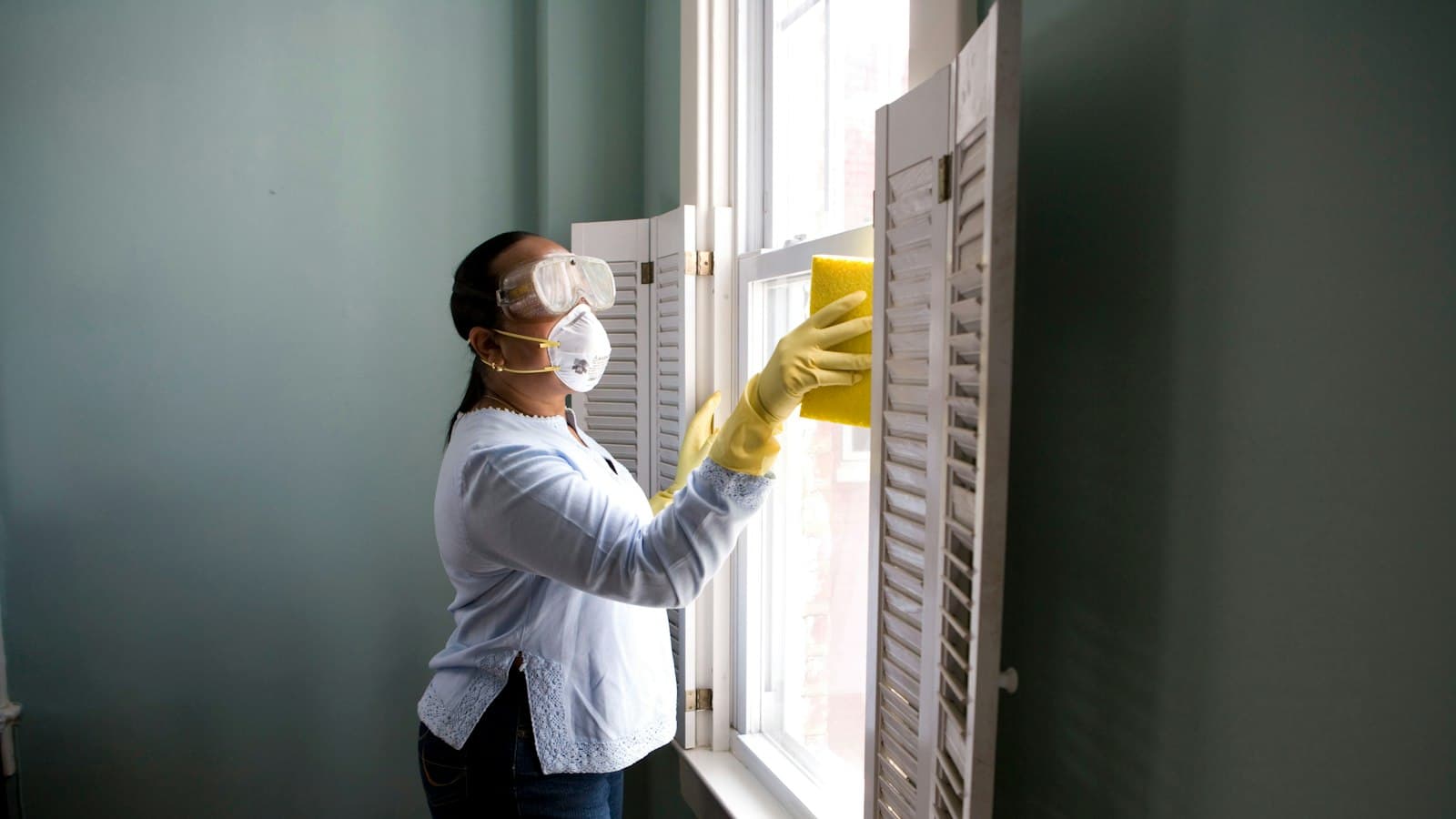
Visible mold on wood shelving is common. Wear a fitted respirator rather than a dust mask, keep the space ventilated while you work, and bag mold-covered material rather than carrying it up open.
Wood shelving in a damp cellar is often structurally gone. Test a shelf with a hand before you load it or lean on it.
Canning Jars and Spoiled Goods
Home-canned food is the signature root cellar content and the category that needs the most care.
Do not open a jar that is bulging, leaking, has a broken seal, or shows unusual cloudiness or gas bubbles. Botulism toxin in improperly canned low-acid food is a genuine hazard and the standard guidance is to discard the jar without opening it.
For jars in that condition, the safest handling is to place the sealed jar in a heavy plastic bag, seal it, place that in a second bag, and put it in the trash. Do not attempt to salvage the jar.
Jars with intact seals and normal appearance can be opened and emptied outdoors or into a utility sink, and the glass washed and kept or recycled. Canning jars have real reuse value and are worth saving if they are not chipped at the rim.
Glass is heavy. Two hundred quart jars run several hundred pounds, and they should be boxed rather than loaded loose. Glass is one of the better diversion streams, covered in what can be recycled during junk removal.
Shelving, Bins, and Old Produce
Beyond the jars, a root cellar holds wooden shelving, produce bins, potato and onion crates, burlap sacks, and sand boxes used for storing root vegetables.
All of it is usually saturated and rotted. Wooden crates that look intact often crumble at the joints, and burlap disintegrates. Plan to bag rather than carry.
Sand and soil from vegetable storage boxes is heavy and dirty. If there is a large volume, ask the hauler in advance, since dirt and sand are sometimes priced separately from general debris.
Old produce that was left behind decades ago has usually reduced to dust and a stain, which is unpleasant but easy to handle. Scrape, bag, and seal.
The Stair Is the Cost Driver
Nearly every root cellar has one access point, and it is rarely a comfortable one.
Common configurations are a steep interior stair off a basement, an exterior bulkhead with concrete steps, and a floor hatch with a ladder. The last is the hardest, because everything comes up by hand overhead.
Headroom is frequently under six feet, so crews work bent over. Treads on old cellar stairs are often narrow, uneven, and damp.
All of this is labor time, and it is why a small cellar can cost the same as a much larger ground-floor space. The pricing logic is the same as stairs and tight spaces elsewhere in a home.
What a Root Cellar Cleanout Costs
Industry Baseline Range
| Scope | Industry baseline range |
|---|---|
| Junk removal per load (not cleanout-specific) | $150 to $350 |
Source: HomeGuide, "Junk Removal Prices" national cost guide.
These are industry baseline ranges for planning only and may not reflect Otesse's price. Otesse pricing is calculated for your specific home and ZIP code, so enter your ZIP in the price box on this page for your instant price.
Current Market Reality
Root cellars price on access and weight rather than volume. The rooms are small, but glass is dense and the stair or hatch adds substantial crew time per item.
Mold remediation, if the cellar needs it, is a separate trade and a separate bill. A hauler clears the contents and leaves the surfaces; remediation of the masonry and framing is not part of a junk removal quote. For below-grade pricing context generally, see our basement cleanout cost guide.
How root cellar jobs compare with one another:
| Scope | Relative cost (lower to higher) |
|---|---|
| Small cellar, jars and shelving | Lower |
| Full clear with heavy glass and bins | Middle |
| Cellar with flood damage or hatch-only access | Higher |
Every job is different, so the real number depends on the details above. Enter your ZIP in the price box on this page to see your instant price.
FAQ
Is it safe to enter an old root cellar?
Only after ventilating it. Sealed underground spaces with decaying organic material can hold low oxygen and elevated carbon dioxide. Open it for several hours, move air in with a fan, and never enter alone or without someone watching from the opening.
What do I do with old home-canned food?
Do not open any jar that is bulging, leaking, cloudy, or unsealed. Double-bag the sealed jar and discard it. Jars that appear normal can be emptied outdoors or into a utility sink, and the glass washed for reuse or recycling.
Are canning jars worth saving?
Often yes. Jars without chips at the sealing rim have steady reuse demand. Wash them thoroughly, discard the old lids, and set them aside before the load is staged, since loose glass in a truck will break.
Should I be worried about mold in a cellar?
Assume some is present. Root cellars are humid by design and wood shelving usually shows growth. Wear a fitted respirator, ventilate while working, and bag affected material. Structural remediation is a separate trade from hauling.
Why does a small cellar cost as much as a larger room?
Access. Steep stairs, low headroom, and hatch-only entry mean every item is hand-carried, often overhead, one at a time. Crews price labor time, and a small damp room with a ladder takes longer than a large room at grade.
Getting the Cellar Cleared
Ventilate first, handle the jars carefully, and plan for the stair. Otesse junk removal can take it from there.
Tell us how the cellar is accessed and roughly how many jars are down there, then get a quote.