TL;DR
Cutting up a couch takes about forty-five minutes to ninety minutes and reduces it to roughly a third of its original volume. Strip the fabric first, expose the wooden frame, then cut at the joints with a reciprocating saw. Gloves and eye protection are not optional.
You do this for one of two reasons: the sofa will not fit through a doorway or a stairwell, or the whole piece would force a second dump trip. Both are good reasons. Neither is worth an injury, so work in the right order.
First: Should You Cut It at All?
A sofa in usable condition is worth more to somebody than the space it takes in your truck. Charities, resale shops, and buy-nothing groups all move furniture, and some will pick up. Once it is cut, that option is gone forever.
Check the honest condition. Structural damage, pet odor, stains, smoke exposure, or any sign of bed bugs means nobody will take it, and cutting is the right call. If it is merely dated, look at whether you can donate it instead before you reach for a saw.
Also check the doorway math before assuming you have to cut. Most sofas that seem stuck will go through on their side, or with the door slab and hinges removed, which takes about ten minutes. Removing the feet buys another three inches.
If none of that works, cut. Weigh it against what couch removal costs as a service too, since a single-item pickup is sometimes cheaper than the saw blades plus your afternoon.
Tools You Need
| Tool | Purpose |
|---|---|
| Reciprocating saw, demolition blade | Cutting the wooden frame |
| Utility knife with spare blades | Slicing fabric and batting |
| Needle-nose pliers | Pulling staples and clips |
| Heavy work gloves, cut resistant | Springs, staples, splinters |
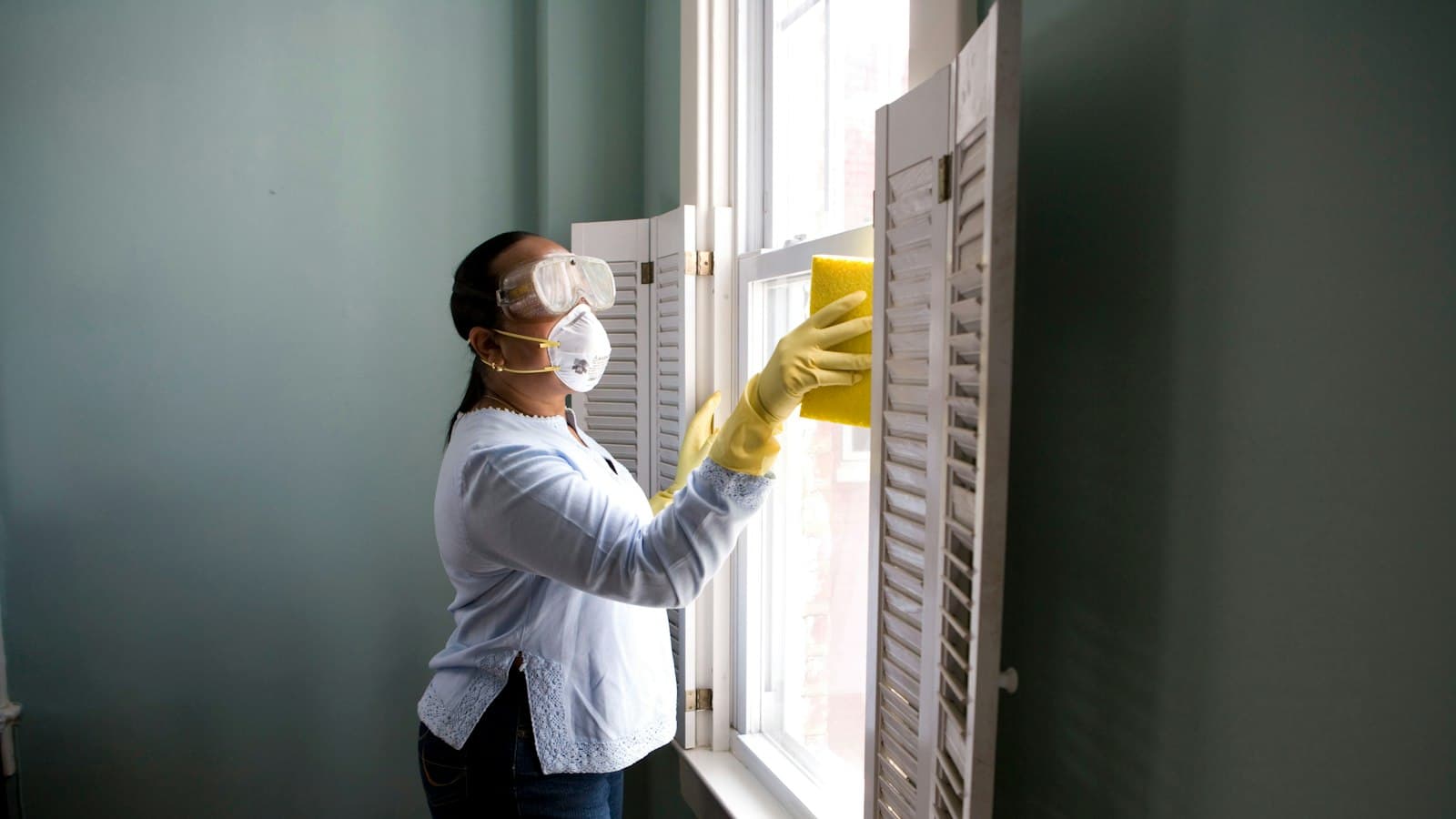
| Safety glasses or goggles | Flying staples and dust |
| Dust mask | Old foam and dust |
| Bolt cutters or heavy snips | Coil springs and sinuous wire |
| Contractor bags | Fabric, foam, and small debris |
A hand saw works if you have no power tool, but expect the job to take three times as long. Do not use a circular saw. The blade binds in fabric and springs and can kick back hard.
Set Up a Safe Work Area
Work outside or in a garage with the door open. Old upholstery holds decades of dust, and cutting foam releases fine particles that you do not want to breathe in a closed room.
Put a tarp down. Foam crumbs and fabric shreds scatter everywhere and are miserable to clean out of a lawn, and the tarp becomes your collection bag at the end.
Flip the couch onto its back so the underside faces up. That is where every access point is, and working from underneath is far easier than fighting the finished side. Clear children and pets from the area and give yourself a full body's width of room on all sides.
Step One: Strip the Fabric
Cut away the black dust cover stapled across the bottom first. That single sheet is the door into the whole piece and it comes off in one pull.
With the underside open you can see the frame, the springs, and the webbing. Now work outward, cutting the upholstery fabric along the frame lines with a utility knife. Do not try to pull fabric off intact; it is stapled every two inches and pulling is how you catch a staple with your hand.
Pull the foam and batting out and bag it as you go. Foam compresses enormously in a bag, and separating it from the frame at this stage is what actually shrinks the load. Change your knife blade when it starts to drag, because a dull blade needs force and force is what makes a knife slip.
Step Two: Deal With Springs and Staples
This is the part that hurts people. Coil springs are under tension, and sinuous S-springs snap when cut. Cut them with bolt cutters or heavy snips while holding the free end, and expect movement.
Wear the safety glasses for this step specifically. A released spring end travels fast and at eye height.
Pull loose staples with needle-nose pliers rather than leaving them in the frame. Hundreds of half-driven staples in a wooden frame is a hand injury waiting to happen when you carry the pieces to the truck.
Bag the metal separately. Springs and frame hardware are scrap steel and are usually accepted free at a facility's metal bay, which keeps that weight off your general disposal bill.
Step Three: Cut the Frame
The frame is the skeleton: two side panels, a back rail, a front rail, and cross braces. Cut at the joints, not through the middle of a member, because joints are the narrowest cross section.
Work from the back rail forward, supporting each piece so it does not fall on you as the last cut releases. A demolition blade will hit staples and the occasional nail, which is expected and is why you use one rather than a wood blade.
Stack the frame pieces flat and bundle them. A stripped and cut sofa frame occupies a small fraction of the original footprint, which is the whole point of the exercise.
Recliners, Sleepers, and Sectionals
Sleeper sofas contain a steel folding mechanism that is heavy, spring-loaded, and dangerous. Do not cut a sleeper mechanism with the springs under tension. Remove it whole by unbolting it from the frame, and treat it as a two-person heavy item.
Recliners have a similar steel mechanism plus, on power models, a motor and a transformer. Unbolt the mechanism rather than cutting through it.
Sectionals often do not need cutting at all. They separate at the connectors under the arms, and each section usually fits through a doorway on its own. Check for the connectors before you assume otherwise.
Safety Summary
Gloves, glasses, and a mask, every time. Support pieces before the final cut. Never cut toward your body with a utility knife. Keep the saw's blade path clear of your other hand, and unplug or remove the battery when changing blades.
Take breaks. Fatigue is when the careless cut happens, and this job is more physical than it looks. The same principles cover breaking down other bulky furniture, and the wider set of general junk handling safety practices applies throughout.
FAQ
Is it safe to cut up a couch yourself?
Yes, with the right precautions. Wear cut-resistant gloves and eye protection, cut springs with bolt cutters while holding the free end, and support frame pieces before the final cut. The real hazards are staples, spring recoil, and utility knife slips rather than the saw.
How long does it take to cut up a sofa?
Plan on forty-five to ninety minutes for a standard three-seat sofa. Stripping the fabric and pulling foam takes most of that time. A reclining or sleeper sofa takes longer because the steel mechanism has to be unbolted rather than cut.
What tools do I need to break down a couch?
A reciprocating saw with a demolition blade, a utility knife with spare blades, needle-nose pliers, bolt cutters for springs, cut-resistant gloves, and safety glasses. A dust mask helps with old foam. Contractor bags hold the fabric and foam.
Can I put a cut-up couch in my regular trash?
Usually not in a standard curbside cart, since even cut pieces exceed most weight and volume limits. Bagged fabric and foam may qualify, but frame lumber and springs generally do not. Check your hauler's bulky item rules or take it to a transfer station.
Do I have to cut a couch to get rid of it?
No. Whole sofas are accepted at transfer stations, taken by most bulk pickup programs for a fee, and hauled by any junk removal service. Cutting is only worth it when the piece will not fit through a doorway or when it would force an extra dump trip.
Getting It Hauled Away
Cutting a sofa down is a real skill and it saves a trip when the piece is too big for the truck or the stairwell. If you would rather not spend the afternoon with a reciprocating saw, Otesse junk removal can take it from there, and the full couch disposal options are worth a look first. Enter your ZIP in the price box to see which services are available at your address.