TL;DR
Animals come first, air quality second, belongings last. Heavy ammonia and airborne contamination make these homes genuinely unsafe to enter without respiratory protection, and the remediation is a specialist job rather than a hauling job. General junk removal comes at the end.
Animal hoarding is a recognized mental health situation, not a story about a bad person. The people involved usually started from care and lost the ability to keep up. Approaching it that way makes every practical step easier, including the ones that have to happen quickly.
What Makes Animal Hoarding Different?
Standard hoarding involves volume. Animal hoarding adds a biological contamination layer that changes almost everything about the response.
Accumulated urine and feces produce ammonia, which concentrates in enclosed spaces and can reach levels that cause immediate respiratory distress. Waste also saturates flooring, subfloor, drywall, and sometimes framing, so contamination extends well past what is visible.
There is also a living-beings dimension with its own urgency and its own authorities. Animal control, humane organizations, and veterinarians all have a role, and that part cannot wait for the cleanup schedule.
First Steps, In Order
One: the animals. Contact a local humane society, animal welfare organization, or animal control. Many will work cooperatively with a family rather than punitively, particularly when the family reaches out first. Animals need veterinary assessment before rehoming.
Two: air quality. Do not enter repeatedly without protection. Open windows if it is safe to do so, and treat a strong ammonia smell as a stop signal rather than something to push through.
Three: the person. If someone is living in the home, they need housing and medical assessment. This is often when a physician, a case manager, or an adult protective services worker becomes involved.
Four: assessment. A remediation contractor assesses contamination depth and tells you what has to be removed structurally.
Five: the cleanout. Contents removal, then repairs.
The Health Risks Are Real
Ammonia at high concentrations irritates the eyes and airways and, in enclosed spaces with heavy accumulation, can reach levels that are dangerous within minutes. This is the most common acute hazard in these homes.
Zoonotic disease is the second concern. Contaminated environments can carry parasites and bacterial pathogens transmissible to people. Fleas, ticks, and rodents frequently accompany the situation.
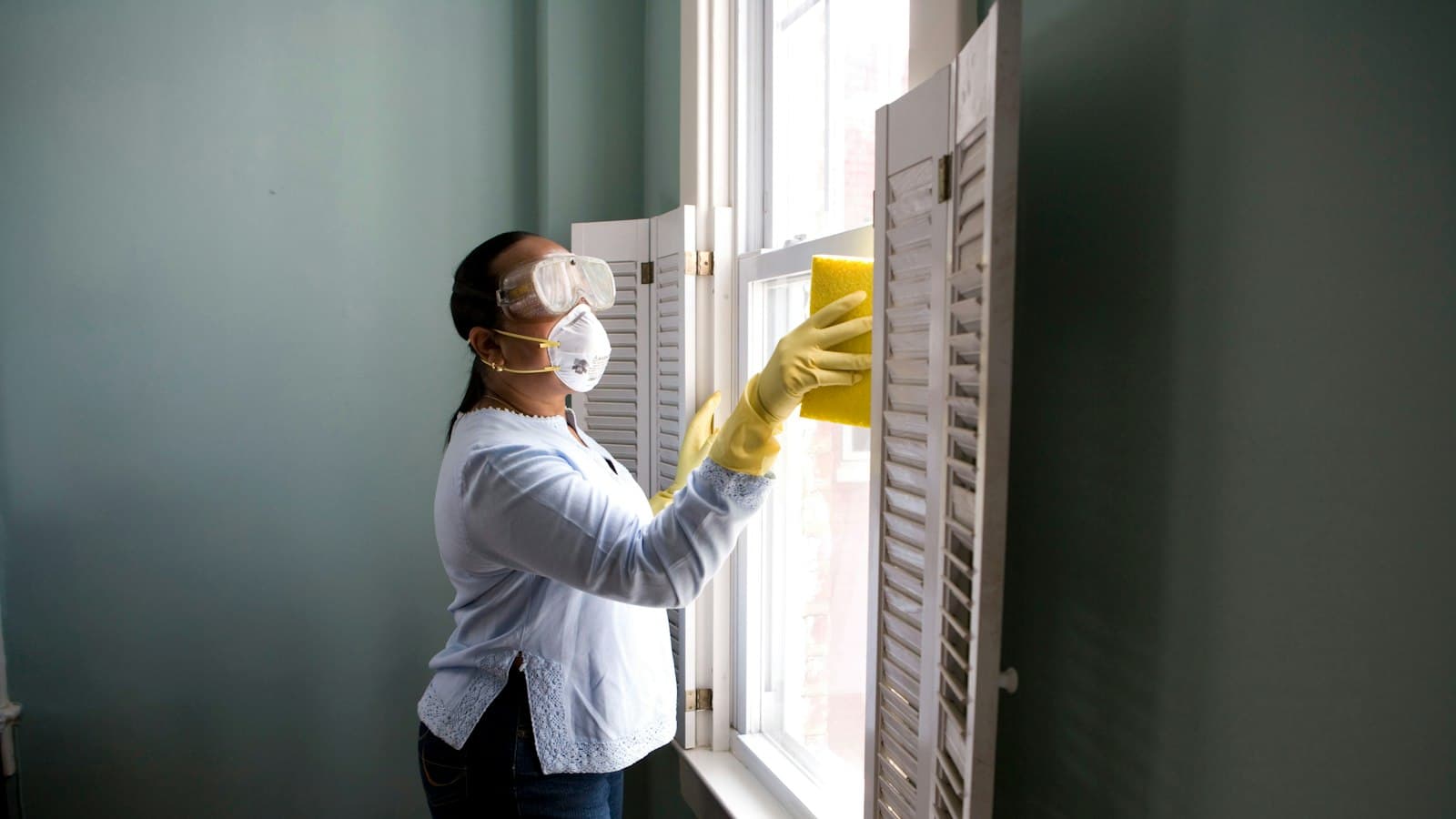
Airborne particulates from dried waste are the third. Disturbing dried material puts it into the air, which is why sweeping without protection is a bad idea. Anyone entering should wear an N95 or better respirator, gloves, eye protection, and disposable coveralls, and children and anyone with respiratory conditions should not enter at all.
What Remediation Covers and What It Does Not
A remediation contractor handles biological contamination: removal of saturated flooring and subfloor, treatment or removal of contaminated drywall, disinfection, deodorization at the source, and sometimes HVAC cleaning.
They do not typically handle the general household contents, the furniture, or the accumulated belongings. That is a cleanout, and it is usually a separate crew and a separate line item.
The two overlap in one important place: which contents are contaminated and must be disposed of rather than salvaged. Get that determination from the remediation contractor before anyone starts sorting, since porous items in a saturated home are usually not recoverable. The general structure of these projects is covered in what a hoarding cleanup involves.
What This Costs
Industry Baseline Range
| Hoarding cleanup | Industry baseline range |
|---|---|
| Hoarding cleanup, total | $1,000 to $4,000 |
| Per square foot | $1 to $2 |
Source: HomeGuide, "Hoarding Cleanup Cost" national cost guide.
These are industry baseline ranges for planning only and may not reflect Otesse's price. Otesse pricing is calculated for your specific home and ZIP code, so enter your ZIP in the price box on this page for your instant price.
Current Market Reality
Quotes in this category vary more than almost any other because contamination depth is not visible until flooring comes up. Subfloor replacement, framing treatment, and HVAC decontamination each move the number significantly. Contents disposal is charged by weight and volume, and saturated material is heavy. Insurance rarely covers this, since most policies exclude damage classified as neglect or long-term seepage rather than a sudden event. Broader cost drivers are covered in what hoarding cleanup costs.
How the common services compare on relative cost:
| Service | Relative cost (lower to higher) |
|---|---|
| Contamination assessment | Lowest |
| Biological remediation, limited area | Lower |
| Remediation with subfloor and drywall removal | Higher |
| General contents cleanout, average home | Lower |
| Severe whole-home cleanout plus remediation | Highest |
Every home is different, so enter your ZIP in the price box on this page for your instant price.
How to Approach the Person
Lead with the animals and with health, not with the mess. Someone in this situation typically knows things have gone wrong and is already carrying shame about it. Adding to that reliably shuts the conversation down.
Ask what they want to happen to the animals. Involving them in rehoming decisions, where it is possible, keeps them engaged in a process they might otherwise resist.
Expect this to take time and expect setbacks. Forced cleanouts without support have a high rate of recurrence, which is one of the central points in why hoarding cleanup is different. Professional mental health support alongside the physical work substantially improves the outcome.
Where a Junk Removal Crew Fits
After remediation, the remaining household contents are an ordinary, if large, cleanout. Furniture, boxes, appliances, and general accumulation are all standard work for a crew with the right equipment.
Crews working these jobs should be using respiratory protection, gloves, and disposable coveralls, and should be routing contaminated porous items to disposal rather than donation. Ask about that directly.
What a general crew should not be doing is the biological remediation itself. If a hauling company offers to handle heavy contamination as part of a standard cleanout, that is a reason to keep calling. The right answer from a hauler is that remediation comes first.
FAQ
Who should I call first about an animal hoarding situation?
Contact a local humane society, animal welfare organization, or animal control about the animals, since their condition is usually the most urgent issue. Many organizations work cooperatively with families who reach out voluntarily. Then arrange a contamination assessment before anyone begins cleaning.
Is it safe to enter a home with heavy animal waste?
Not without protection. High ammonia concentrations in enclosed spaces can cause respiratory distress quickly, and dried waste becomes airborne when disturbed. Anyone entering needs an N95 or better respirator, gloves, eye protection, and coveralls. Children and people with respiratory conditions should stay out.
Can a junk removal company handle an animal hoarding cleanup?
They can handle the contents cleanout after biological remediation is complete. They should not be handling saturated flooring, contaminated subfloor, or structural decontamination, which require a remediation contractor with different equipment and training.
Does insurance cover animal hoarding cleanup?
Usually not. Most homeowners policies exclude damage that accumulated gradually or is classified as neglect, and cover only sudden accidental events. Call the carrier to confirm rather than assuming either way, and get the answer in writing.
Can flooring be saved, or does it have to be replaced?
Sealed hard surfaces sometimes survive with thorough disinfection. Carpet, padding, and most wood and laminate flooring do not, because urine penetrates into the subfloor beneath them. Odor that persists after cleaning is a reliable sign the contamination went deeper than the surface.
After the Remediation
Once the contamination work is done, clearing the remaining contents is ordinary work handled at whatever pace the family needs. Otesse junk removal can take it from there. Enter your ZIP in the price box to see which services are available at your address.
Describe the situation honestly when you get a quote so the crew arrives with the right protection. If you are supporting a family member through this, how families can help someone with hoarding disorder is a useful place to start.