Quick Answer
Deep cleaning reduces the allergens, soil, and surface mold that regular surface cleaning leaves behind. Research shows indoor air can be 2 to 5 times more polluted than outdoor air, and deep cleaning reduces indoor allergen levels by up to 80 percent. Cleaning lowers the load in a home; it does not treat, prevent, or cure any medical condition, and established mold growth is a remediation job rather than a cleaning job. In Oregon's damp climate, where mold spore counts are elevated 8 months of the year, deep cleaning is worth scheduling deliberately rather than waiting for a problem to become visible.
Hidden Health Threats in Clean-Looking Homes
A home can look perfectly clean on the surface while harboring serious health hazards underneath. Here is what routine tidying misses:
Dust mites: Millions live in mattresses, upholstery, and carpet -- invisible to the naked eye. Their waste particles trigger allergic reactions and asthma attacks.
Mold spores: Grow behind baseboards, under sinks, inside HVAC ducts, and in grout lines. Many species are invisible until colonies are well established.
Bacteria biofilms: Form on kitchen counters, cutting boards, and bathroom surfaces. Regular wiping does not penetrate these protective bacterial layers.
VOCs from buildup: Accumulated grease, dust, and residue off-gas volatile organic compounds that degrade indoor air quality over time.
Regular cleaning manages the visible dirt. Deep cleaning attacks the invisible threats that actually make you sick.
Allergens and Respiratory Health
Oregon ranks among the top states for seasonal allergies, and indoor allergens compound the problem. Deep cleaning targets the primary sources:
Dust Mites
A single mattress can contain 100,000 to 10 million dust mites. Their fecal pellets -- not the mites themselves -- are the primary allergen. Deep cleaning includes mattress treatment, upholstery cleaning, and thorough vacuuming with HEPA filtration that captures particles down to 0.3 microns.
Pet Dander
Oregon has one of the highest pet ownership rates in the country. Pet dander is not just fur -- it is microscopic skin flakes that embed in carpet fibers, upholstery, and even walls. Standard vacuuming picks up surface fur. Deep cleaning extracts embedded dander from soft surfaces.
Pollen Infiltration
Oregon's Willamette Valley is one of the country's top grass seed producers, making pollen an intense seasonal challenge. Pollen enters through open windows, on clothing, and on pets. Deep cleaning removes accumulated pollen from surfaces, fabrics, and ductwork that regular cleaning barely touches.
For allergy sufferers in Portland, Eugene, and Salem, a deep clean at the start of each pollen season (typically March and June) can dramatically reduce symptoms. Learn more about cleaning frequency for allergy management.
Mold Risk in Oregon Homes
Oregon's climate is essentially a mold incubator. Average humidity levels of 70 to 85 percent during the rainy season (October through May) create ideal growing conditions. Deep cleaning addresses mold in ways surface cleaning cannot:
Bathroom grout and caulk: Mold roots penetrate porous grout. Surface scrubbing removes visible mold but leaves growth in the pores intact. Deep cleaning uses penetrating treatments that reach further than a surface wipe, though grout and caulk that stay discolored after treatment usually need to be replaced rather than cleaned again.
Under sinks and around plumbing: Condensation creates hidden mold colonies. Deep cleaning includes inspection and treatment of these areas.
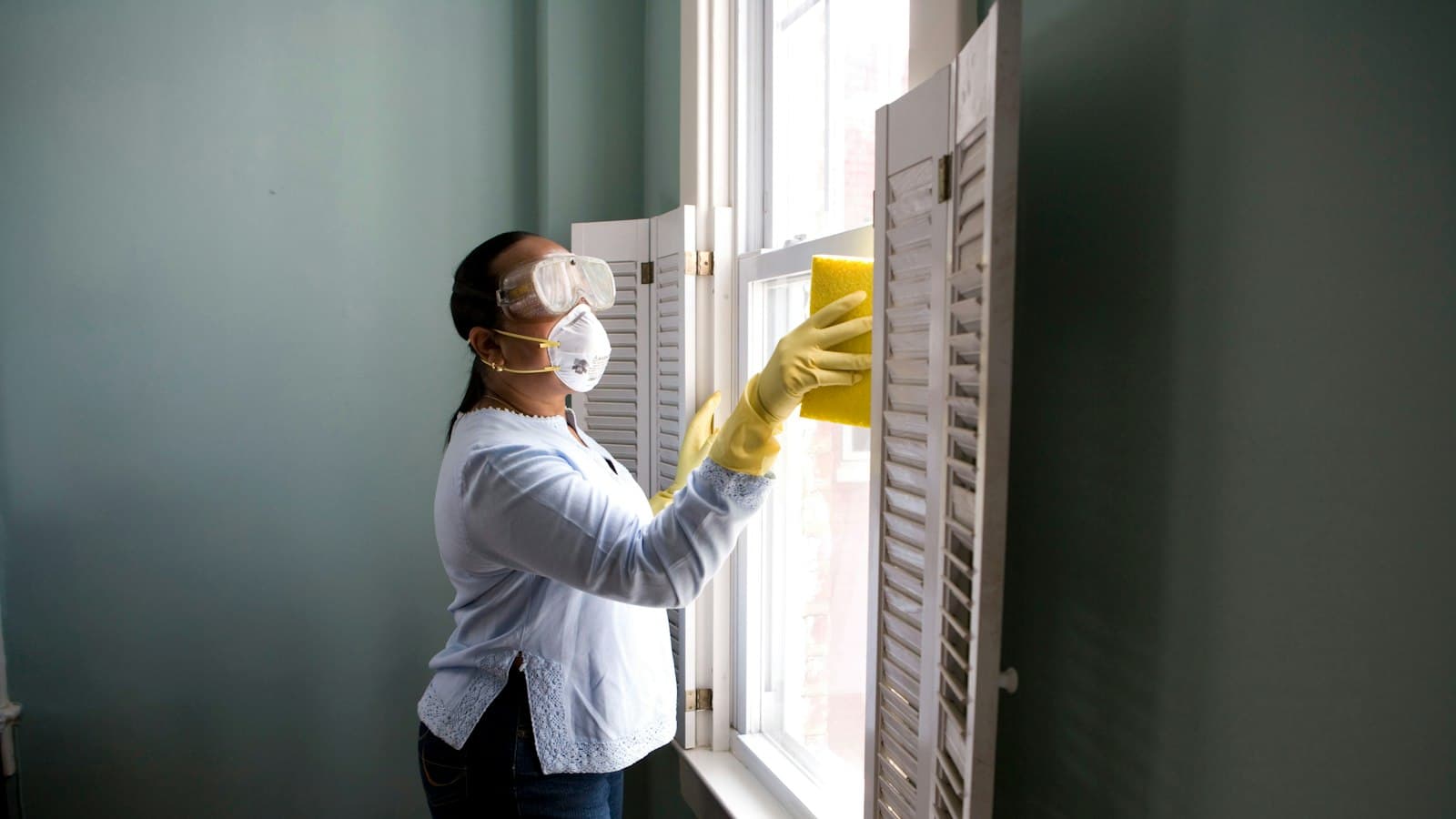
Window tracks and sills: Condensation from Oregon's temperature swings creates constant moisture. Deep cleaning removes mold buildup and treats surfaces to slow regrowth.
Behind and under appliances: Refrigerator drip pans, dishwasher seals, and washing machine drums are common mold sites that only get attention during deep cleans.
Black mold (Stachybotrys) is not a cleaning job. Visible growth larger than about 10 square feet, anything behind walls or under flooring, and any growth that returns after treatment belong with a mold remediation specialist, not a cleaning crew. Fixing the moisture source comes first, because mold returns to any surface that stays wet. For routine surface mold in a bathroom or on a windowsill, consider eco-friendly cleaning methods that avoid harsh chemical fumes.
Bacteria Hotspots You Cannot See
NSF International studies consistently identify the same household bacteria hotspots that regular cleaning barely touches:
| Location | Common Bacteria | Regular Cleaning Impact | Deep Cleaning Impact |
|---|---|---|---|
| Kitchen sponge/dishcloth | E. coli, Salmonella | Minimal (replaced weekly) | Eliminated (replaced + sanitized area) |
| Kitchen sink | Coliform, Staph | Surface reduction | 90%+ reduction with proper treatment |
| Toothbrush holder | Coliform, yeast, mold | Rarely cleaned | Fully sanitized |
| Pet food bowls | Staph, MRSA, yeast | Rinsed (inadequate) | Sanitized with proper dwell time |
| Stove knobs | Coliform, mold | Wiped (surface only) | Removed and fully cleaned |
| Light switches and handles | Staph, Strep, cold viruses | Occasionally wiped | Sanitized with full contact time |
Deep cleaning does not just wipe these areas -- it uses the right product at the right dilution and gives it the contact time the label calls for, which is what separates a wipe from an actual sanitizing step. A sanitizing claim belongs to a registered product used to its label, not to cleaning in general.
The Mental Health Connection
The health benefits of deep cleaning extend beyond physical wellness. Research from Indiana University found that people with cleaner homes are measurably healthier and more active. A study published in the Personality and Social Psychology Bulletin found that people who described their homes as "cluttered" had higher cortisol levels throughout the day.
A professionally deep-cleaned home provides:
Reduced stress: Clean, organized spaces lower cortisol and improve mood
Better sleep: Clean bedding and reduced allergens improve sleep quality
Increased productivity: Less visual clutter means better focus and fewer distractions
Sense of control: A clean environment signals order and reduces anxiety
For Oregon residents dealing with Seasonal Affective Disorder during dark, rainy winters, a clean and fresh home environment can be a meaningful mental health support. Spring cleaning at winter's end provides both physical and psychological renewal.
Deep Cleaning vs Regular Cleaning
Understanding the difference helps you invest in the right service:
| Task | Regular Cleaning | Deep Cleaning |
|---|---|---|
| Vacuuming | Visible floors | Under furniture, cushions, edges, vents |
| Bathrooms | Wipe surfaces, toilet, mirror | Grout scrub, behind toilet, inside cabinets, mold treatment |
| Kitchen | Counters, stovetop, sink | Inside oven, behind appliances, cabinet fronts, exhaust hood |
| Dusting | Visible surfaces | Ceiling fans, light fixtures, baseboards, door tops, vents |
| Windows | Not typically included | Interior glass, tracks, sills |
| Time required | 1 to 2 hours | 4 to 8 hours |
Most households need deep cleaning as a reset, followed by regular maintenance cleaning to preserve the results. Learn more about what is included in Otesse deep cleaning.
How Often You Need Deep Cleaning
In Oregon's climate, recommended deep cleaning frequency depends on your situation:
Every 3 months: Households with pets, allergies, or young children
Every 6 months: Average households with regular maintenance cleaning
Annually: Small households with no pets and good maintenance habits
Seasonally: Before and after Oregon's rainy season (September and May) to manage mold and allergens
The most cost-effective approach: schedule a deep clean, then maintain with recurring biweekly service. This keeps your home in deep-clean condition year-round without paying deep-clean prices every visit.
Take Action
Your home's cleanliness directly impacts your family's health -- the science is clear. If it has been more than six months since your last deep clean, or if anyone in your household deals with allergies, asthma, or respiratory sensitivities, schedule one now.
Book a deep cleaning with Otesse. Enter your ZIP in the price box to see which services are available at your address. If anyone in your home has allergies or sensitivities, ask about product options when you request a quote, and see our guide to eco-friendly cleaning products.