Medical Equipment (With Teeth Marks)
Veterinary clinics share about 80% of their equipment profile with human medical offices -- exam tables, surgical lights, autoclaves, x-ray machines, lab analyzers, centrifuges, anesthesia machines. The difference? Everything has been scratched, bitten, or sprayed on by animals for years. An exam table that would look pristine in a dermatologist's office looks like it survived a war zone in a vet clinic.
Exam tables in vet clinics weigh 150 to 300 pounds (stainless steel tops on hydraulic or electric bases). Surgical tables run 200 to 400 pounds. X-ray machines -- both the generator and the table -- combined weight hits 500 to 1,000 pounds. Digital systems are lighter than the old film units, but the lead-lined walls around the x-ray room don't move easily regardless.
A three-exam-room vet clinic carries a substantial amount of removal work, and surgical suites, dental stations, and a lab add considerably more. The equipment density per square foot rivals a dental office.
Controlled Substances and Pharmaceutical Waste
Vet clinics stock DEA-scheduled controlled substances -- ketamine, butorphanol, diazepam, euthanasia solution (pentobarbital). These cannot go in the trash, cannot go to a junk removal company, and cannot be flushed. DEA regulations require documented destruction by a reverse distributor or witnessed disposal with two people and proper paperwork.
We don't touch pharmaceuticals. The closing veterinarian needs to handle controlled substance disposal through their DEA registration before we set foot in the building. Non-controlled medications (antibiotics, anti-inflammatories, vaccines) go through pharmaceutical waste disposal services. Some pharmacies accept returns through reverse distribution programs.
Sharps containers, biohazard bags, and medical waste follow the same rules as human medical facilities. Oregon requires licensed medical waste transporters for anything classified as infectious waste. The clinic's existing medical waste hauler usually does a final pickup as part of the closure process.
Kennels, Cages, and Runs
Boarding and treatment kennels are stainless steel or fiberglass enclosures -- heavy, bulky, and bolted to walls or stacked in banks. A bank of six stainless steel kennels weighs 400 to 800 pounds. Large dog runs with chain-link dividers and concrete or epoxy floors add another layer of demo work.
Stainless steel kennels have good scrap value by the pound, and a large kennel bank brings a meaningful scrap check. If they're in decent cosmetic condition, used vet kennels sell for much more to other clinics, shelters, or breeders. List them on veterinary equipment resale sites before scrapping.
The floors under kennels and runs are always damaged. Urine, cleaning chemicals, and constant moisture degrade concrete and eat through inferior epoxy coatings. The landlord will need to address the flooring, but that's a construction issue, not a junk removal issue. We remove the equipment and leave the shell.
The Smell Factor and Decontamination
Look -- vet clinics smell. Even clean, well-maintained ones carry a permanent blend of animal dander, disinfectant, anal gland secretion (if you know, you know), and the underlying note of stressed animals. A closed clinic that's been sitting without ventilation for a few weeks amplifies all of that.
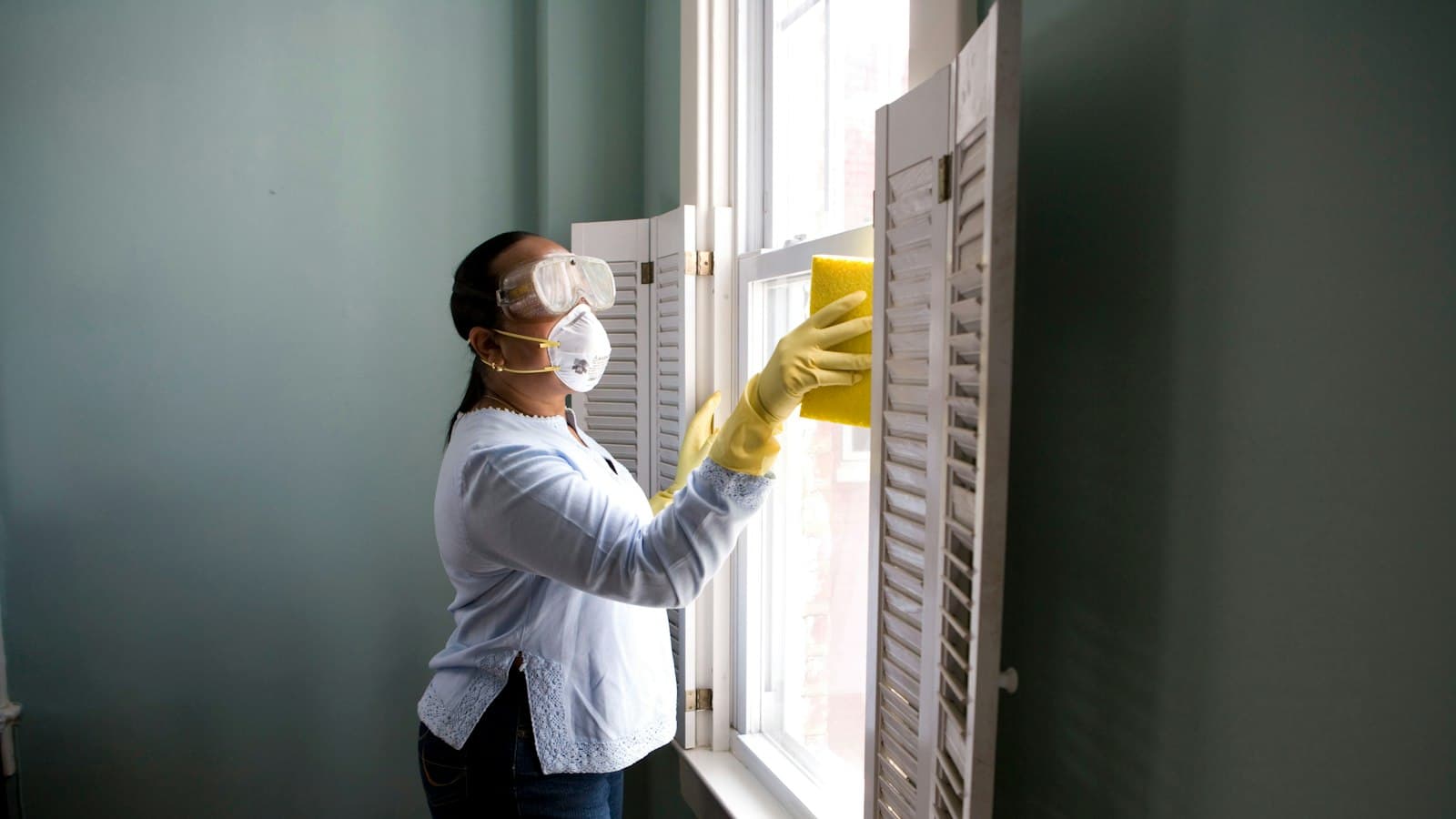
Ask whether the crew wears N95 masks for a vet clinic cleanout. Not for hazmat reasons -- for comfort. The treatment rooms, surgery recovery areas, and especially the euthanasia room carry emotional weight too. We approach those spaces respectfully. Some of the veterinarians we work with get emotional during the final walkthrough. That's normal and we give them the time they need.
After equipment removal, the space needs professional decontamination before a new tenant moves in. That's not our scope, but we recommend it. Especially the surgery and treatment areas where biological contamination is guaranteed at a microscopic level. A commercial cleaning service with biohazard certification handles this, with the price depending on square footage.
Timeline and Coordination for Vet Clinic Closures
Vet clinic closures involve more moving parts than most business cleanouts. The typical sequence: (1) transfer or sell patient records, (2) DEA disposal of controlled substances, (3) medical waste final pickup, (4) equipment sales period (two to four weeks), (5) a junk removal crew for remaining equipment and general cleanout, (6) professional decontamination, (7) landlord walkthrough.
Steps 1 through 4 need to happen before we arrive. We can start as early as step 4 if the sold equipment is clearly marked, but it's cleaner to wait until sales are final. Our portion -- step 5 -- takes one to two days for a typical clinic. Large animal hospitals with multiple surgical suites, boarding wings, and outdoor runs take three to four days.
Oregon vet clinics closing in the Portland metro, Eugene, or Salem areas -- contact us early in the process. We'll do a walkthrough during your sales period so we can quote accurately and schedule the crew for right after your equipment buyers finish their pickups. Timing this right saves everyone stress.