Three Types, Three Different Headaches
Old insulation comes in three main flavors, and each one has a different removal process, different hazards, and different disposal requirements. Knowing which type you're dealing with determines whether this is a weekend DIY project or a call-the-professionals situation.
- Fiberglass batts and rolls -- The pink or yellow fluffy stuff between wall studs and attic joists. The most common insulation in Oregon homes built after 1970. Itchy, but not dangerous when handled properly.
- Blown-in cellulose -- Shredded, treated paper product blown into attic floors and wall cavities. Grey and powdery. Common in retrofitted homes and older construction. Creates enormous dust clouds during removal.
- Spray foam -- Expanded polyurethane foam sprayed into cavities. Newer homes and retrofits. Adheres directly to surfaces and is extremely difficult to remove once cured. Most people don't remove spray foam -- they cover it.
And then there's the outlier: vermiculite. That granular, pebble-like insulation found in some pre-1990 attics. About 70% of vermiculite sold in the US before 1990 came from a mine in Libera, Montana that was contaminated with asbestos. If you see vermiculite, stop. Get it tested. Do not disturb it.
Fiberglass: Itchy But Manageable
Fiberglass batt removal is the most common and most straightforward insulation job. The batts pull out of stud or joist bays by hand. It's physically simple but deeply uncomfortable -- fiberglass particles embed in skin, irritate eyes, and aggravate lungs.
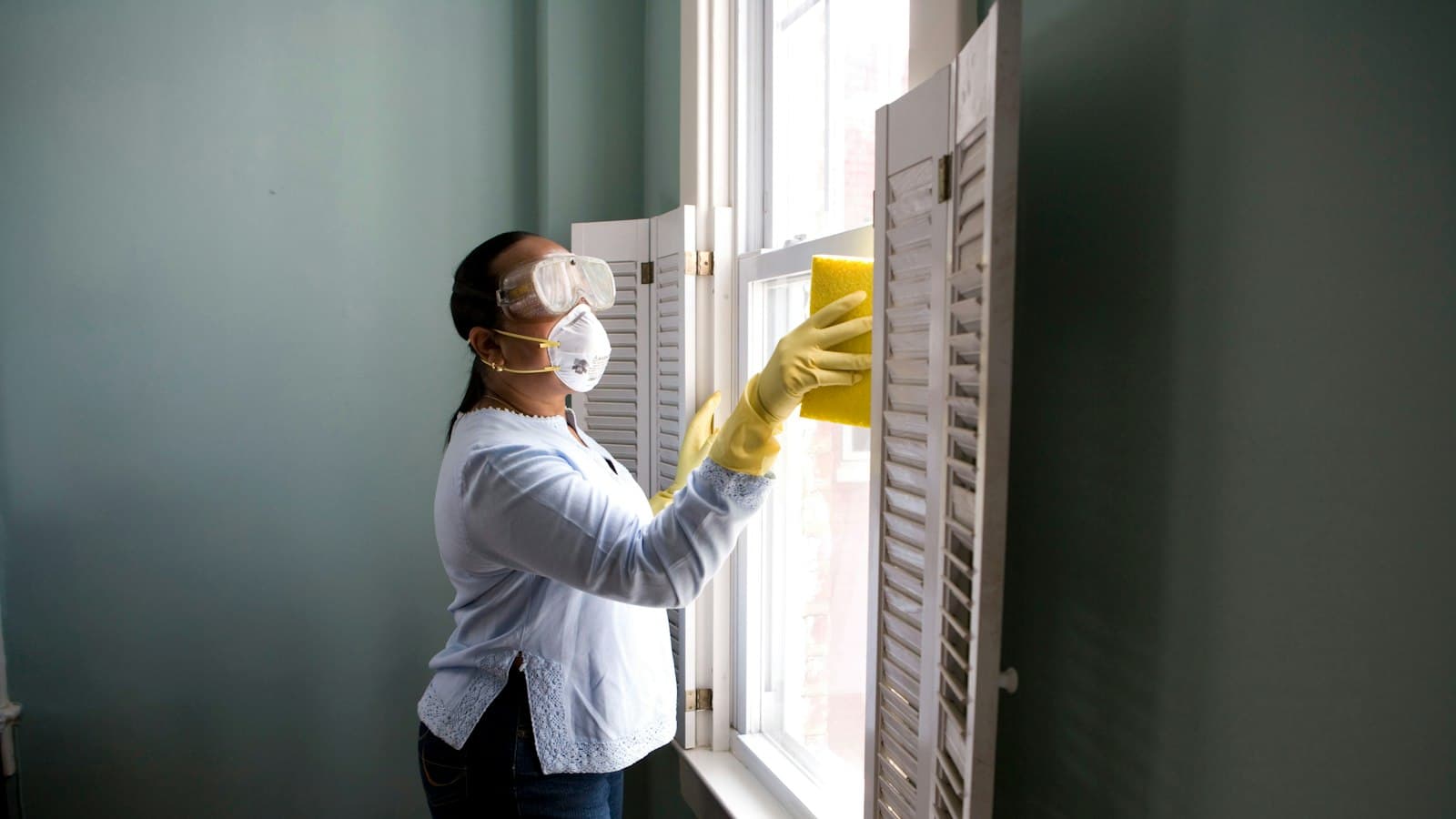
PPE requirements (non-negotiable):
- N95 respirator (not a paper dust mask)
- Safety goggles (not glasses -- goggles that seal around your eyes)
- Long sleeves, long pants, gloves tucked into sleeves
- Hat or hood -- fiberglass in your hair itches for days
Removal rate: one person can pull about 200 to 300 square feet of attic fiberglass per hour. A 1,200 sq ft attic takes 4 to 6 hours solo. The batts stuff into contractor bags -- you'll fill 15 to 25 bags for a standard attic. Each bag weighs 10 to 20 pounds.
Fiberglass is not hazardous waste. It goes to the landfill via transfer station or dumpster. Bag it and seal it -- loose fiberglass in an open truck bed creates a fiberglass dust cloud at highway speed that you (and everyone behind you) will regret.
Cellulose: The Dust Monster
Blown-in cellulose is removed with an insulation vacuum -- a gas-powered industrial machine that sucks cellulose through a 3 to 4-inch hose into a collection bag or truck hopper. You cannot realistically remove a full attic of blown cellulose by hand. The dust is overwhelming and the volume is massive -- a 1,200 sq ft attic might hold 30+ cubic yards of settled cellulose.
Professional insulation removal companies in the Portland, Eugene, and Salem areas charge by the square foot for cellulose vacuum removal, so a larger attic costs proportionally more, disposal included.
Why remove it? Common reasons include:
- Rodent contamination (droppings, urine, nesting throughout the cellulose)
- Water damage that matted and compressed the insulation
- Upgrading to spray foam or higher-R-value batts
- Accessing the attic floor for renovation
If rodent contamination is the reason, the removal becomes more hazardous. Hantavirus from mouse droppings is a real concern in Oregon. A professional crew with proper PPE and HEPA-filtered vacuums is the right call for contaminated insulation.
Spray Foam: Pick Your Battles
Spray foam bonds chemically to whatever it touches -- wood, concrete, metal, wiring. Removing it means scraping, cutting, or grinding it off surfaces. There is no "pull it out" option.
For this reason, most contractors recommend against removing spray foam unless there's a specific defect (off-gassing, moisture trapping, or the wrong formulation was applied). Covering it with drywall or additional insulation is usually more practical and cheaper.
When removal IS necessary, it costs more per square foot than loose insulation, and closed-cell costs more than open-cell. The closed-cell stuff is denser, harder, and requires power tools to remove. It's not a DIY job under any circumstances.
Removal and Disposal Costs
| Type | DIY Feasible? | Relative professional cost | Disposal |
|---|---|---|---|
| Fiberglass batts | Yes (with PPE) | Lowest | Standard landfill |
| Blown cellulose | Not practical | Low | Standard landfill |
| Spray foam (open-cell) | No | Higher | Standard landfill |
| Spray foam (closed-cell) | No | Higher still | Standard landfill |
| Vermiculite (asbestos) | Absolutely not | Highest, because it is asbestos abatement | Asbestos disposal site |
For fiberglass, the disposal itself is cheap at a transfer station for a typical attic. The labor is the cost. For cellulose, the equipment rental alone (insulation vacuum) is a real daily cost, which is why most people hire it out.
Test Before You Touch
If your home was built before 1990 and you see granular or pebble-like insulation in the attic, get it tested for asbestos before doing anything. For standard fiberglass or cellulose removal, reach out for a quote -- we'll assess the type, condition, and any contamination concerns before providing a price.