The Most Awkward Construction Waste
Old windows are terrible to handle. They're heavy (a standard double-hung window weighs 30 to 60 pounds), fragile (glass breaks if you look at it wrong during removal), and awkward-shaped (they don't stack, don't fit in bags, and barely fit in a truck bed without custom stacking).
Doors are easier to handle individually but add up fast. A standard interior door weighs 25 to 45 pounds. An exterior door with a steel or fiberglass frame? 60 to 120 pounds. Replace 15 doors in a renovation and you've got 500 to 1,000 pounds of doors in the driveway.
And then there's the trim -- window casings, door frames, brick mold, sill plates -- that comes off during replacement. It's typically painted (possibly with lead paint if the house is pre-1978) and loaded with nails that make it unsuitable for wood recycling.
Dealing With the Glass
Broken window glass during removal is almost guaranteed. Double-pane windows from the 1980s and 90s are especially prone to cracking when the frame is pried out, because the seal between panes has already failed and the glass is stressed.
Safety rules:
- Wear heavy leather gloves (not latex, not cloth -- leather)
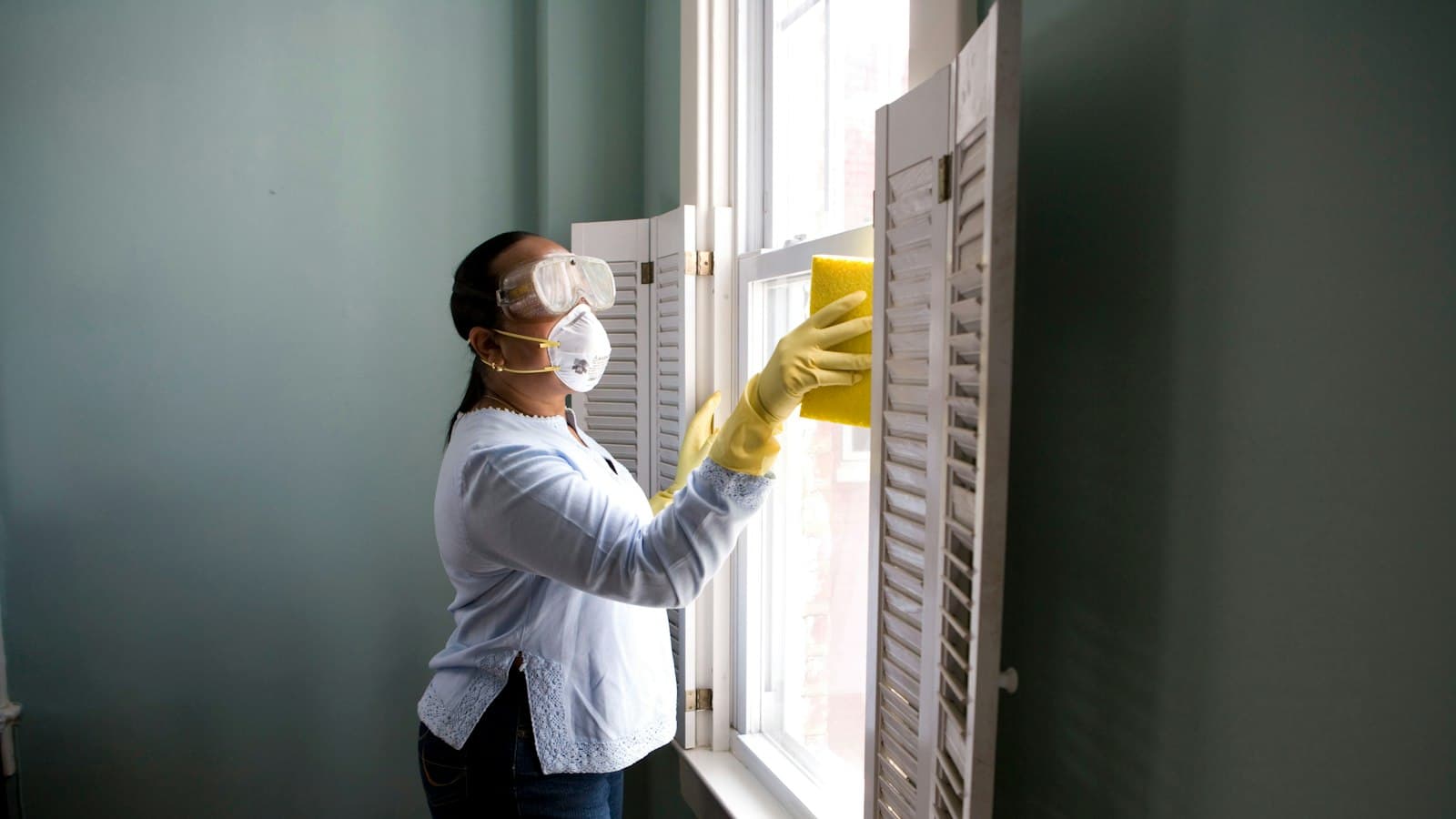
- Safety glasses or goggles at all times
- Boots with solid soles (glass shards end up on the ground)
- Tape an X across each pane with masking tape before removal -- if it cracks, the tape holds the pieces together instead of letting them scatter
Window glass is technically recyclable, but most curbside glass recycling programs don't accept flat glass (window panes) -- only container glass (bottles, jars). Flat glass has a different melting point and chemical composition. In Oregon, flat glass from windows goes to the landfill in most cases, though some specialty glass recyclers in the Portland area may accept it. Call before hauling a truck full of windows to a recycler.
Lead Paint on Old Windows
Windows are one of the most common sources of lead paint exposure in older homes. The friction surfaces -- where the sash slides in the frame -- generate lead dust every time the window opens and closes. The exterior window sills collect lead paint chips from weathering.
If your home was built before 1978:
- Assume lead paint is present on windows until tested
- The EPA's lead renovation rule applies -- contractors must be RRP-certified for work disturbing lead paint in pre-1978 homes
- Old windows with confirmed lead paint should be handled as lead-containing waste -- wrap in plastic, label, and dispose at a facility that accepts lead paint debris
- Oregon DEQ follows federal guidelines on lead paint disposal. Most transfer stations accept lead-painted building materials as regular C&D waste if properly contained
Testing is cheap. Lead test kits are sold at any hardware store, and professional XRF testing (non-destructive) is priced per sample. Worth every penny for peace of mind.
Salvage and Donation Options
Old windows and doors have genuine salvage value -- especially in Oregon, where architectural salvage is popular:
- Architectural salvage dealers -- Portland has several dealers (check SE and NE Portland) who buy old-growth wood windows, decorative glass, vintage hardware, and solid wood doors. A matched set of original Craftsman windows can be worth hundreds.
- Habitat for Humanity ReStore -- Accepts windows and doors in good condition. They especially want newer vinyl and fiberglass windows that still have life in them.
- Artists and DIYers -- Old window frames get repurposed into picture frames, greenhouse walls, garden cold frames, and decorative pieces. Post on Craigslist and they'll disappear fast.
If the windows are single-pane, rotted, or otherwise unusable -- they're waste, not salvage. Don't spend three weeks trying to find a taker for windows nobody wants.
Disposal Costs
| Scenario | Relative cost |
|---|---|
| 5-10 windows (self-haul to transfer station) | Lowest: disposal fees only |
| Full house window replacement (15-25 windows) | Moderate |
| Windows + doors + trim (professional removal) | Higher: labor and hauling |
| Lead-paint windows (with containment) | Highest: containment and handling |
Most window replacement contractors include disposal in their installation quote. If they don't -- or if you're doing the replacement yourself -- hiring out the hauling (see junk removal) means you don't have to stack windows in your car.
Plan Disposal Before Replacement Day
Don't wait until 20 old windows are leaning against your garage to figure out disposal. Arrange pickup or drop-off before the installation starts, and check the salvage value of any interesting pieces first. Get a removal quote if you want the old windows and doors gone the same day they come out.