Drywall Is Not Regular Trash
A standard 4x8 sheet of half-inch drywall weighs about 57 pounds. When you demo a room, you're looking at 12 to 20 sheets -- 700 to 1,100 pounds of gypsum and paper. Your regular curbside trash service is not going to take that.
Drywall (also called sheetrock or gypboard) is made of gypsum plaster sandwiched between paper facings. When it goes to a landfill, the gypsum can generate hydrogen sulfide gas under anaerobic conditions -- that rotten-egg smell that seeps from old dump sites. Because of this, some landfills separate drywall or charge premium rates for it.
Oregon doesn't ban drywall from landfills outright, but the disposal path matters. Clean, unpainted drywall has recycling options. Painted, contaminated, or lead-containing drywall has more limited (and more expensive) paths.
Painted vs. Unpainted: The Critical Distinction
Unpainted (new) drywall scraps: These are the offcuts and damaged sheets from new construction. They're the easiest to deal with. Gypsum recyclers accept clean, unpainted drywall and grind it into agricultural soil amendment or new drywall feedstock. In the Portland metro area, several facilities accept clean drywall, usually for less than mixed-waste rates.
Painted drywall: Most recyclers still accept drywall with standard latex paint. The paper facing gets separated and the gypsum is recovered. However, some facilities are picky -- they want sheets, not crumbled chunks mixed with screws and tape.
The lead paint problem: If your house was built before 1978, the paint on that drywall might contain lead. Oregon administers the EPA's lead paint rules through the Oregon Health Authority and the CCB. The EPA's RRP rule requires certified renovators for work that disturbs lead paint in pre-1978 homes. Drywall with confirmed lead paint is hazardous waste -- it cannot go to a standard recycler or regular landfill without proper classification.
Not sure if your paint contains lead? Test kits are inexpensive and sold at any hardware store. Ten minutes of testing can save you from a very expensive disposal mistake.
Demo Tips: Breaking Drywall Without Wrecking Everything
If you're removing drywall yourself:
- Score the seams first. Drywall is taped and mudded at joints. Scoring with a utility knife makes panels separate cleaner.
- Remove in large sections. Big pieces are easier to haul than a pile of crumbled chunks. Use a pry bar behind the panel and pop it off the studs in sheets when possible.
- Pull screws and nails separately. Drywall with hardware embedded in it is harder to recycle and tears through trash bags.
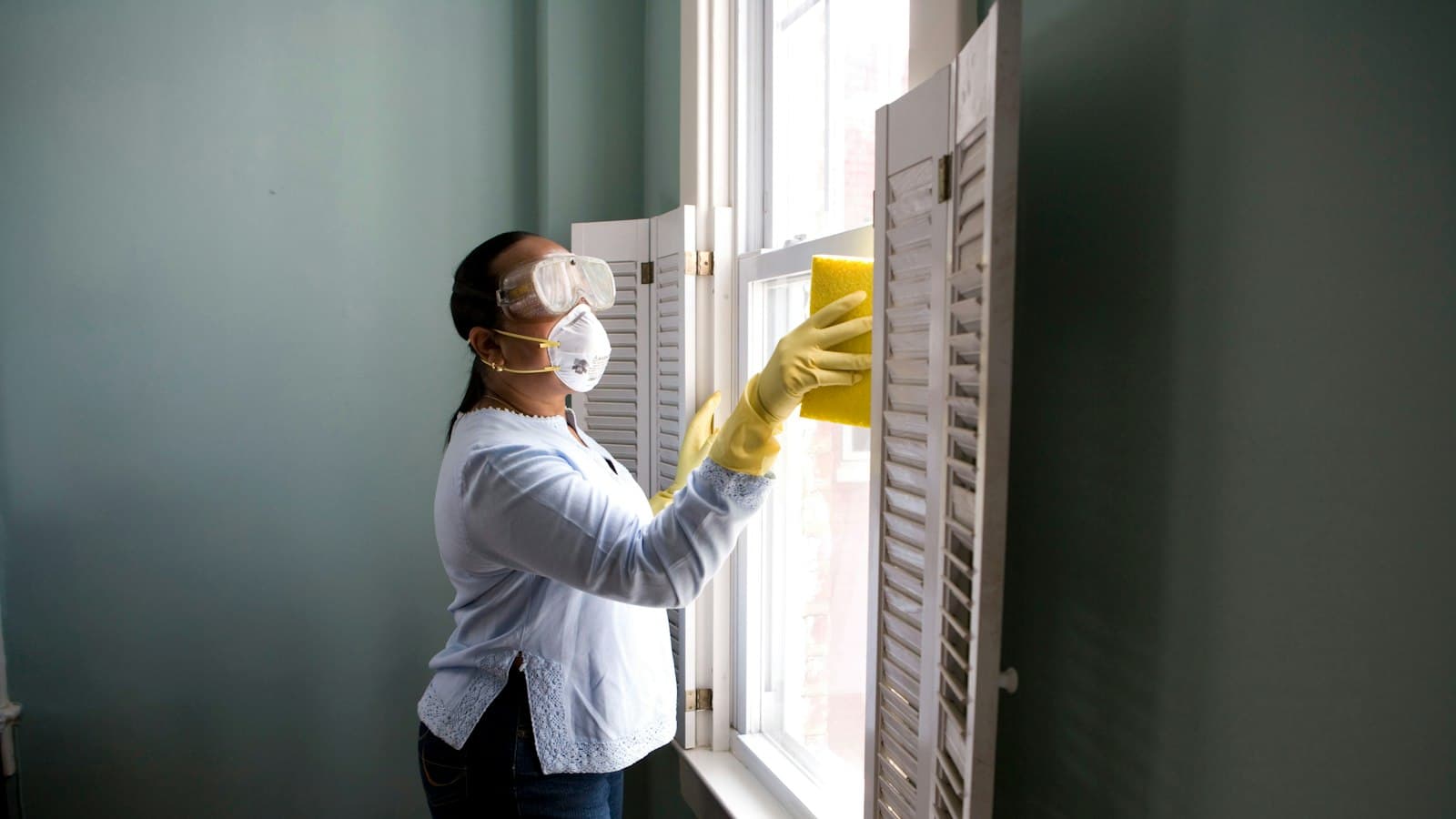
- Dust control is critical. Gypsum dust is fine and pervasive. Seal off adjacent rooms with plastic sheeting. Run a box fan with a furnace filter strapped to it (poor man's air scrubber). Wear an N95 respirator.
- Wet it down. Misting drywall with water before breaking it reduces dust by 80% or more.
Demo of a single room generates 500 to 1,000 pounds of drywall waste plus dust that coats everything. Plan for cleanup time equal to the demo time.
Where Drywall Goes in Oregon
- Gypsum recyclers -- Portland metro has facilities that accept clean and lightly painted drywall. The gypsum is recovered for agricultural or manufacturing use. Usually the cheapest option.
- Transfer stations -- Accept drywall as C&D waste. Metro facilities charge standard C&D rates by weight, so check current rates. Most accept painted drywall without issue.
- Dumpster rental -- A 10-yard dumpster handles most single-room demo jobs. Most haulers allow drywall in mixed C&D loads.
- Professional removal -- A construction debris crew loads and hauls drywall along with other demo waste. Especially useful when you've got drywall plus lumber, carpet, and other materials from a renovation.
Disposal Cost Comparison
| Method | Cost | Accepts Painted? | Accepts Lead Paint? |
|---|---|---|---|
| Gypsum recycler (self-haul) | Lowest, by weight | Usually yes | No |
| Transfer station | Moderate, by weight | Yes | Varies |
| Dumpster rental | Flat rental fee | Yes | No (hazmat rules) |
| Professional removal | Highest, but includes labor | Yes | Refer to hazmat |
For a standard room renovation (no lead concerns), professional removal of drywall plus other demo debris is priced by volume and weight. That covers loading, hauling, and disposal -- no trips to the dump in your car with drywall chunks poking out the windows.
Don't Let It Pile Up
Demo waste has a way of stacking up in garages and driveways. Every week it sits there is another week of dust, tripping hazards, and neighbors giving you looks. Get the drywall out the same week you tear it down. Get a removal quote and keep your renovation moving forward.
