What's Actually Down There
Nobody puts things in a crawl space with a plan to retrieve them. That's how you end up with 30 years of accumulated junk in a space where you can't stand up straight. Old insulation. Broken pipes someone shoved aside. Paint cans from 1994. Cardboard boxes that disintegrated into mush two winters ago.
Crawl spaces can hide some wild stuff: a full set of encyclopedias (soaked), three car batteries, a rolled-up carpet that weighed 90 pounds from moisture absorption, and once -- genuinely -- a bowling ball collection.
The average crawl space in an Oregon home is 18 to 36 inches high. That means everything comes out on your belly or on your hands and knees. It's miserable work.
Hazards You Need to Know About
Crawl spaces aren't just uncomfortable -- they can be genuinely dangerous.
- Mold and mildew -- Oregon's wet climate means most crawl spaces have some moisture intrusion. Black mold is common, especially in homes built before vapor barriers became standard. The Oregon DEQ recommends professional assessment if you see visible mold growth.
- Rodent droppings -- Mice and rats love crawl spaces. Their droppings can carry hantavirus. You need an N95 respirator at minimum, not a paper dust mask.
- Old insulation -- Homes built before 1980 might have vermiculite insulation containing asbestos. Do not disturb it. Get it tested first.
- Electrical and plumbing -- Exposed wiring and pipes run through crawl spaces. Dragging heavy items past them risks damage you won't notice until your lights flicker or a pipe leaks.
- Structural supports -- Crawl spaces contain floor joists and support posts. Bump one wrong and you've got a bigger problem than junk removal.
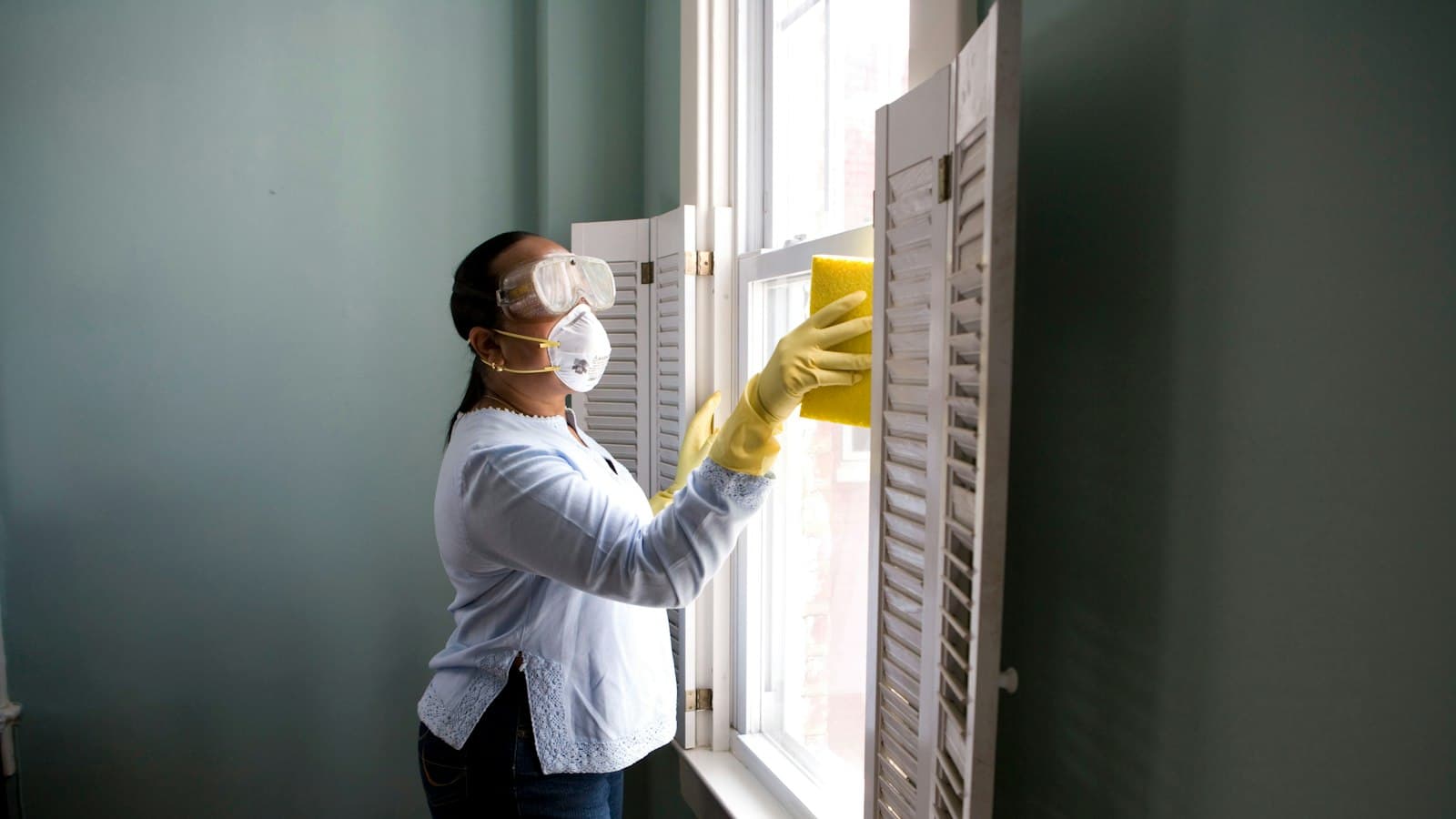
Wearing proper PPE is non-negotiable: respirator, gloves, knee pads, eye protection, and a Tyvek suit if there's any moisture or debris.
Can You Do This Yourself?
Honestly? If your crawl space is dry, has a decent access door, and you're only pulling out a few small items -- sure, go for it. Bring a headlamp and a buddy who owes you a favor.
But if any of these are true, hire someone:
- The space is less than 24 inches high
- There's standing water or visible mold
- You see rodent activity (droppings, nests, chew marks)
- Items are heavy or bulky (you can't lift and crawl at the same time)
- The access point is a small hatch -- not a walk-in door
Professional junk removal crews have done hundreds of crawl space jobs. They know how to move through tight spaces without damaging ductwork or plumbing, and they bring the right gear.
How Professional Crawl Space Removal Works
Here's the typical process:
- Assessment -- The crew checks the access point, measures the space height, and identifies hazards (moisture, mold, pests).
- PPE up -- Full protective gear before anyone goes in.
- Relay system -- One or two people inside passing items to crew members at the access point. Nothing gets dragged blindly.
- Sort at the surface -- Recyclables, hazardous materials, and general junk get separated outside.
- Haul away -- Everything goes to the truck. Hazardous items (paint, batteries, chemicals) are disposed of properly.
The whole job usually takes 2 to 4 hours depending on how packed the space is and how tight the access is.
What It Costs
Crawl space jobs run higher than standard junk removal because of the difficulty and hazard factor. Volume, how far the crew has to crawl, and the conditions under the house set the final number. If mold remediation or pest control is needed, that's separate -- and your junk removal crew should tell you upfront if they spot those issues.
Some companies won't do crawl spaces at all. When you call for a quote, mention that it's a crawl space job so they can send a crew that's equipped for it.
What to Do After the Cleanout
Once the junk is out, take the opportunity to address the space itself. Install a vapor barrier if there isn't one. Fix any drainage issues. Seal the access point properly. A clean, dry crawl space reduces moisture problems in the rest of your home and prevents the next owner from finding your bowling ball collection.
Ready to get that crawl space cleared? Get in touch for a quote -- we'll send someone who's not afraid of tight spaces.